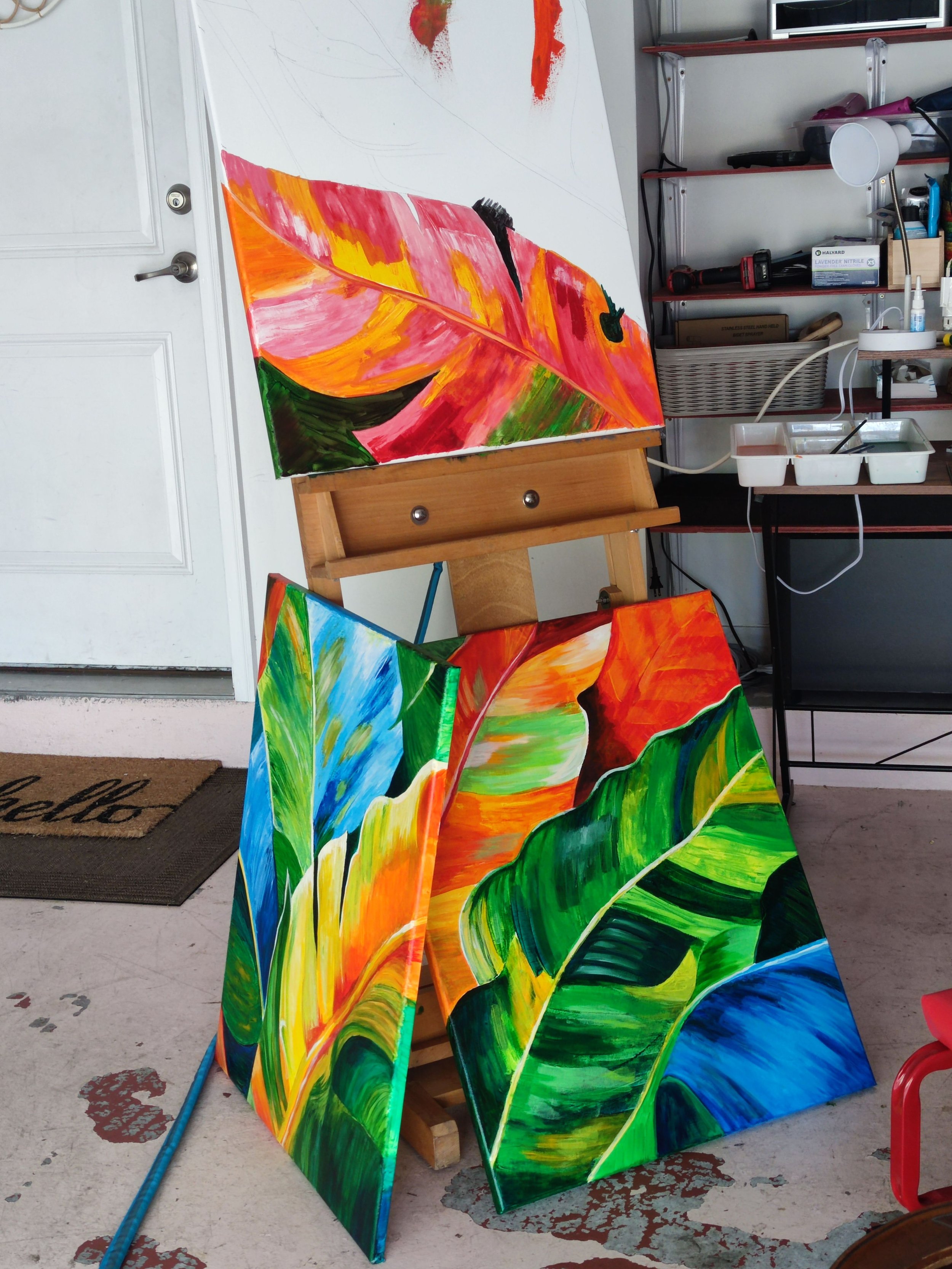
Every artwork deserves its own identity.
You've finally finished a painting.
The colours are working, the composition feels balanced, you've signed the bottom corner... and then comes the question every artist seems to dread.
"What's it called?"
Some paintings seem to arrive with their own name. Others can sit in the studio for weeks while you call them "Blue One", "Large Canvas No. 4", or, if you're really organised, "IMG_2786".
The truth is, titles matter more than many artists realise. They're often the first words a viewer reads before looking at your work, and they can gently shape how someone connects with it.
The good news? Naming artwork doesn't have to be difficult.
Why Titles Matter
A title is an invitation. It offers viewers a small glimpse into your thinking without telling them exactly what they should see.
For abstract artists especially, titles provide just enough context to encourage curiosity while still leaving room for personal interpretation.
Collectors often remember titles long after they've forgotten dimensions or catalogue numbers. A memorable title can help make a painting feel personal and easier to talk about.
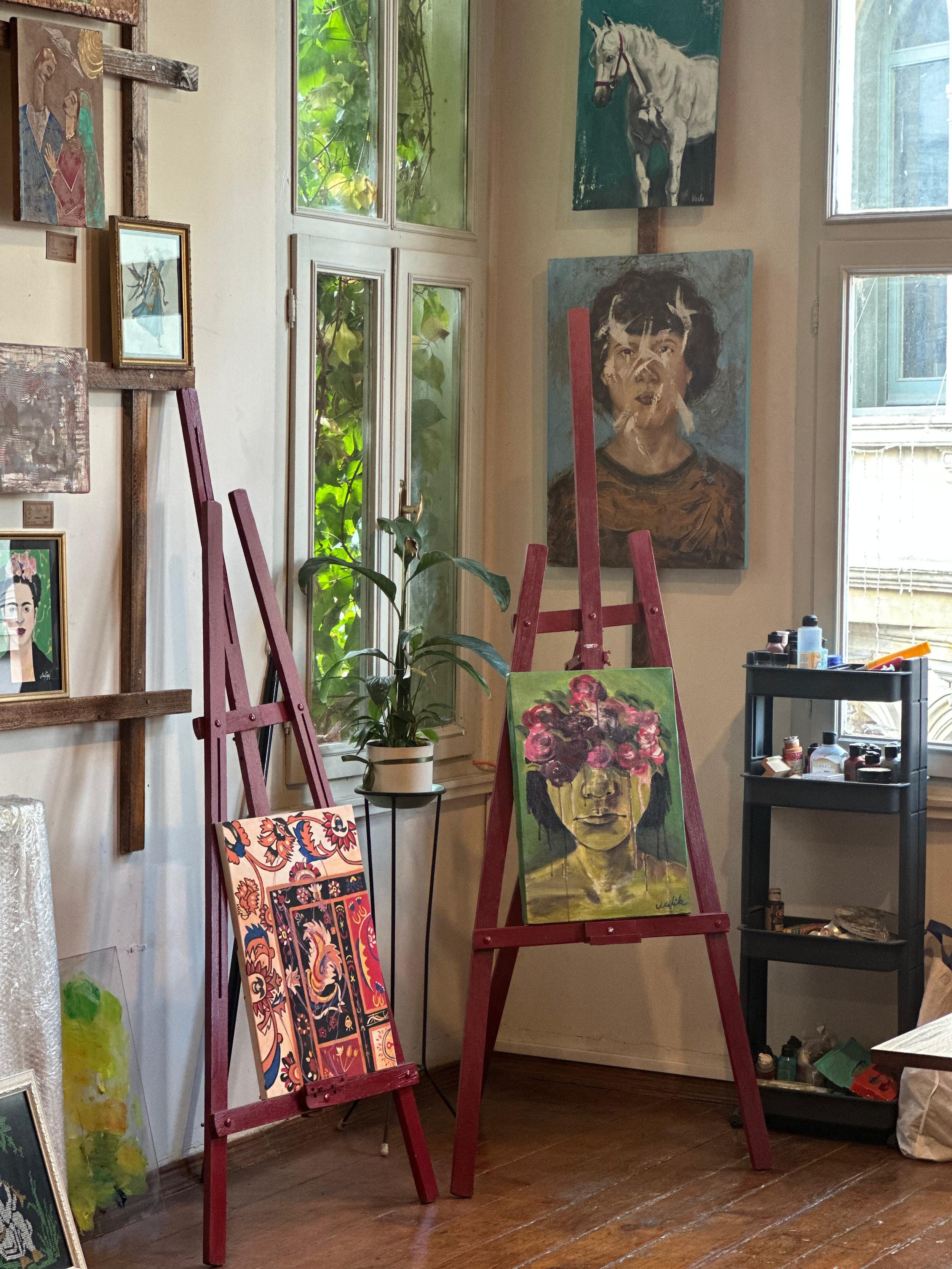
Sometimes the painting is finished long before the title arrives.
What a Title Can (and Can't) Do
A title can suggest a feeling, a place, a memory or an idea.
It can hint at your inspiration or simply reinforce the atmosphere of the work.
What it shouldn't do is explain every brushstroke.
One of the joys of abstract art is that every viewer brings their own experiences. A good title supports that conversation rather than closing it down.
Think of it as opening a door, not writing the entire travel itinerary.

Collecting words can make naming artwork much easier.
Where to Find Inspiration
Titles don't always appear like lightning bolts. Sometimes they grow naturally during the painting process. You might find inspiration in:
places you've visited
conversations you've had
books or poetry
favourite songs
weather
local landscapes
memories
interesting words you've collected
emotions the painting creates
I often keep a running list of interesting words and phrases in my phone. It's surprising how often one of them suddenly fits a painting that seemed impossible to name.
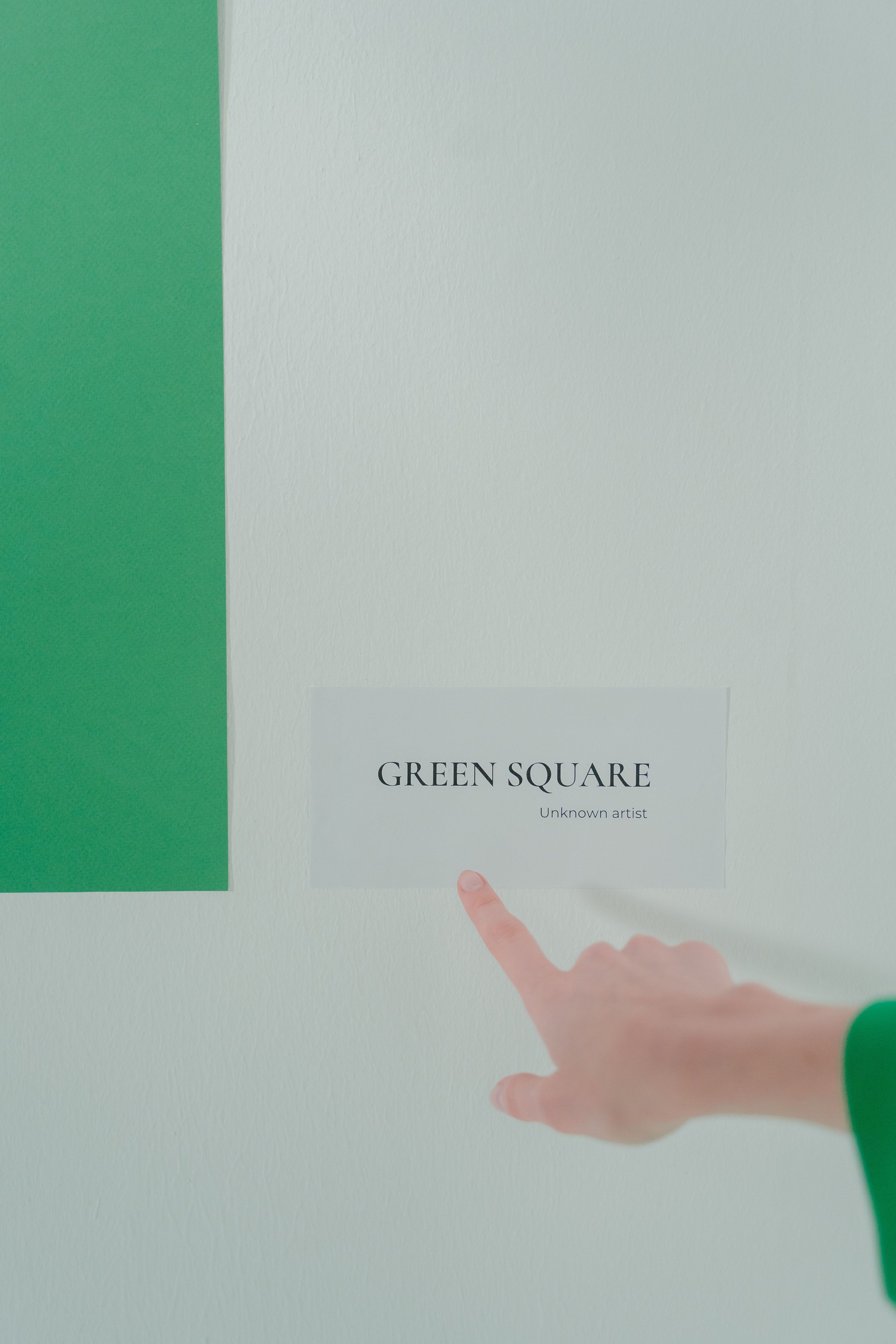
A thoughtful title invites viewers into the work.
A Simple Process for Naming Your Artwork
If you're stuck, try this approach.
1. Step away from the painting. Leave it for a day or two. Coming back with fresh eyes often makes the title much more obvious.
2. Write down the first words that come to mind. Don't judge them. Colours, places, feelings, memories and textures are all useful starting points.
3. Look for themes. Circle words that seem connected. Perhaps several relate to water, movement, light or the Australian landscape. Patterns usually begin to appear.
4. Keep it simple. A short title is often easier to remember than a long sentence. Sometimes two or three carefully chosen words say everything they need to.
5. Say it out loud. If it feels awkward to say, it probably feels awkward to read. The best titles often have a natural rhythm.
6. Trust your instincts. Eventually there comes a point where you simply have to choose. Don't spend longer naming the painting than you spent creating it.
Well... perhaps not unless you've been painting for six months.

Keep a running list of words that catch your attention.
Common Mistakes
Many artists overthink titles. Some try to make them sound mysterious or intellectual because they think that's what collectors expect. In reality, authenticity usually wins.
Another common mistake is being too literal. A title like Blue Painting with White Marks certainly tells us what's there, but it doesn't leave much room for imagination.
Finally, avoid using exactly the same wording repeatedly across every collection.
Distinct titles help each artwork develop its own identity.
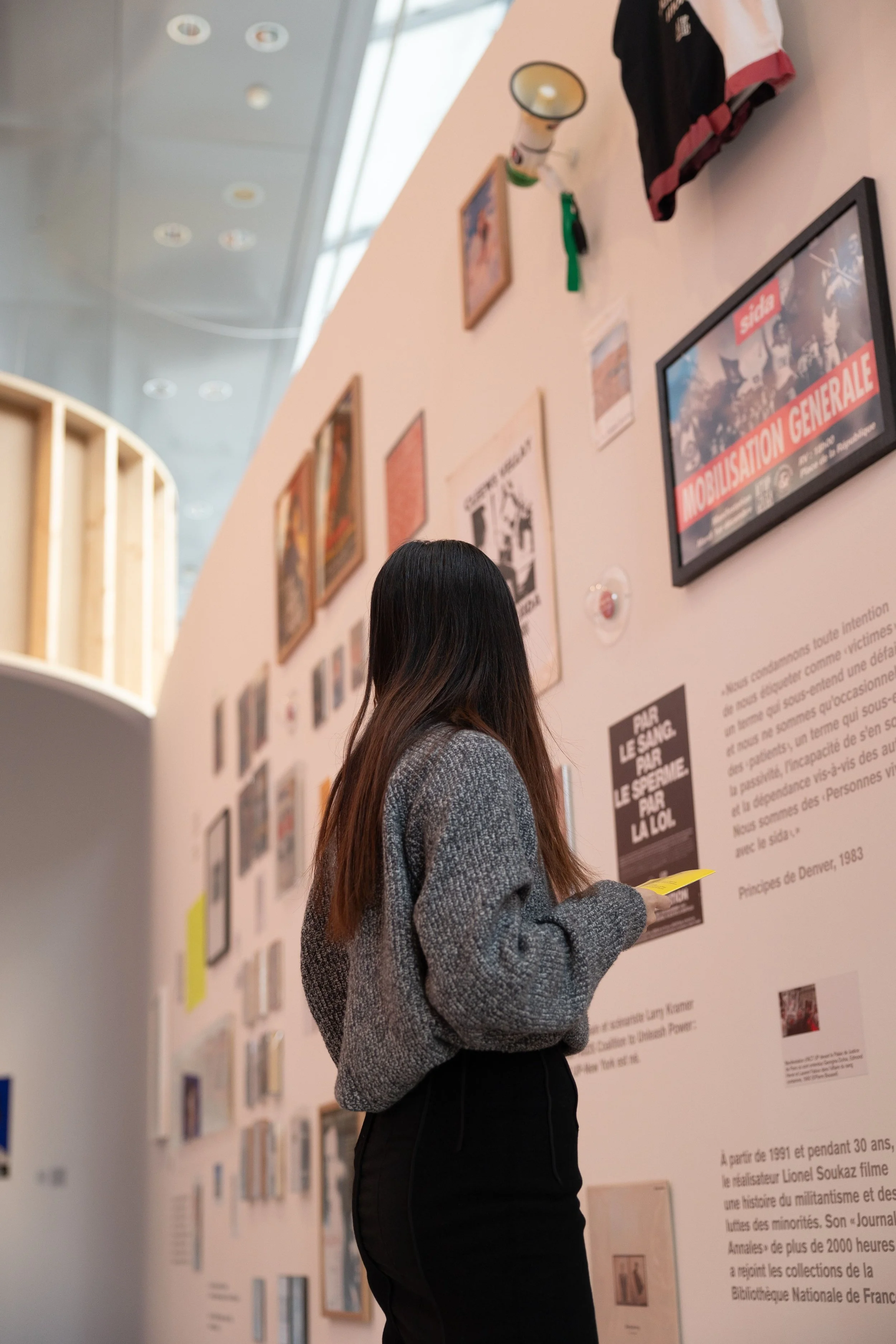
Titles often become part of the viewer's experience.
When Is "Untitled" the Right Choice?
Despite everything I've just said, sometimes Untitled really is the best title. Perhaps you genuinely don't want to guide interpretation. Perhaps the work feels complete without additional words.
That's perfectly valid.
The important thing is that it's a deliberate decision, not simply avoiding the challenge of choosing a title.
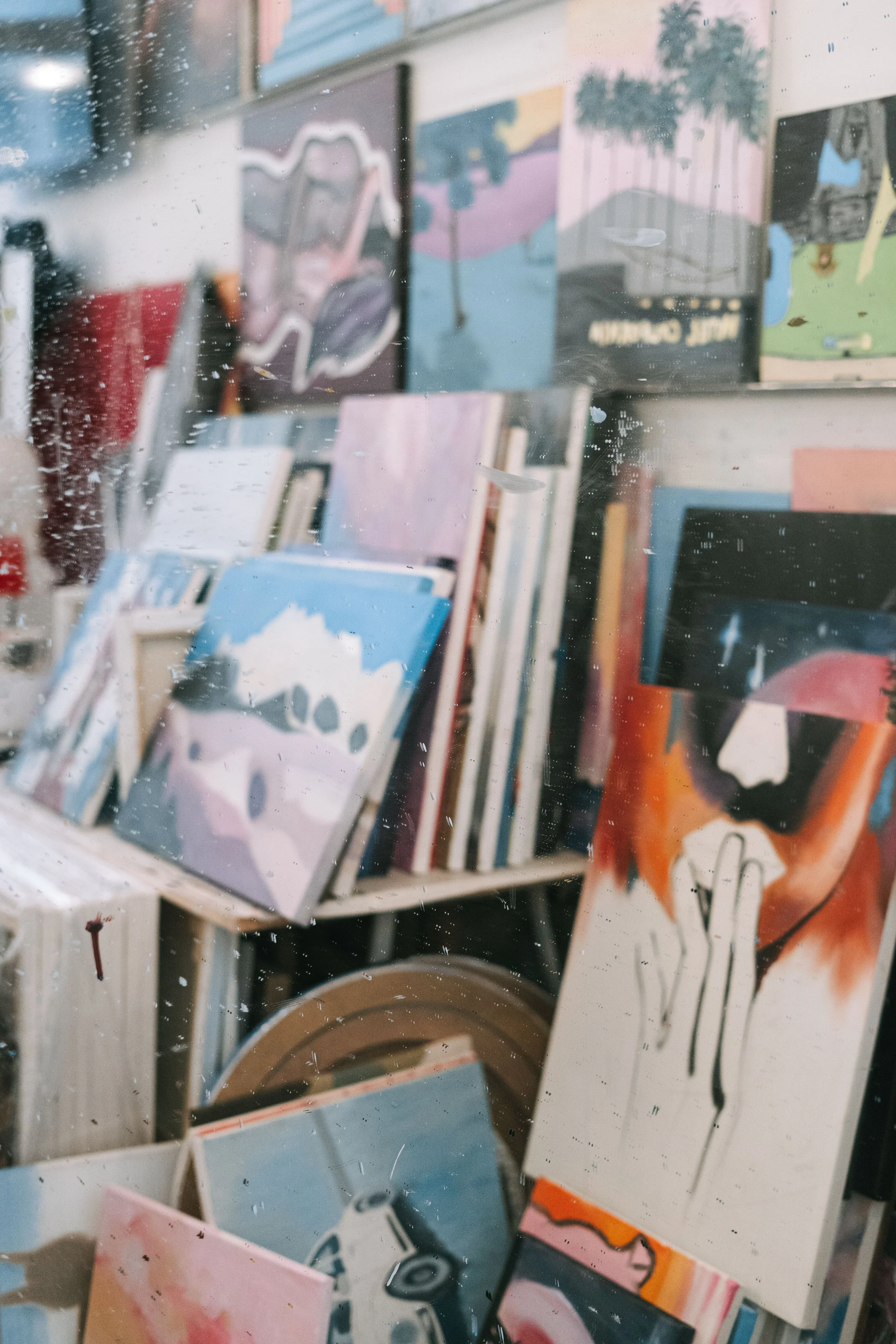
Some paintings almost name themselves, others take a little longer.
Final Thoughts
Like composition, colour and texture, titles become another creative tool. They're not there to explain your work. They're there to begin a conversation.
The next time you finish a painting, don't rush to tick "Title" off your exhibition entry form. Sit with the work for a little while. Listen to what it might be trying to say. You may discover the perfect title has been quietly waiting for you all along.
(And if all else fails... maybe avoid Blue One Number Seven. Your future self will thank you.)