
Keeping your voice in your work - you owe it to yourself!
Writing an artist statement can feel a bit like being asked to describe your entire creative life while someone quietly judges your punctuation. No pressure, right?
A lot of artists end up either overthinking it or slipping into language that sounds like it belongs in a gallery brochure written by a committee of robots. The good news is, it doesn’t need to be complicated, and it definitely doesn’t need to sound like anyone other than you.
Let’s make this feel more human.
What an Artist Statement Actually Is
An artist statement is simply a short explanation of your work and how you make it. That’s it. Not a thesis. Not a performance. Just a way of helping people understand what they’re looking at.
Think of it as the conversation you’d have with someone standing next to your work at a studio open day. Friendly, clear, and grounded in what you actually do.
If your statement sounds like something you’d never say out loud, it probably needs a rethink.

When writing feels harder than painting
What to Include (and What to Leave Out)
A good artist statement usually includes:
What materials or methods you use
What you’re interested in exploring
What your work is about (in simple terms)
A sense of tone or feeling in your practice
What you don’t need:
Fancy art jargon
Overly complex theory
Long historical references unless they genuinely matter to your work
Trying to sound “important”
If you find yourself writing sentences that feel like you’re applying for a grant from another planet, it’s probably time to simplify.
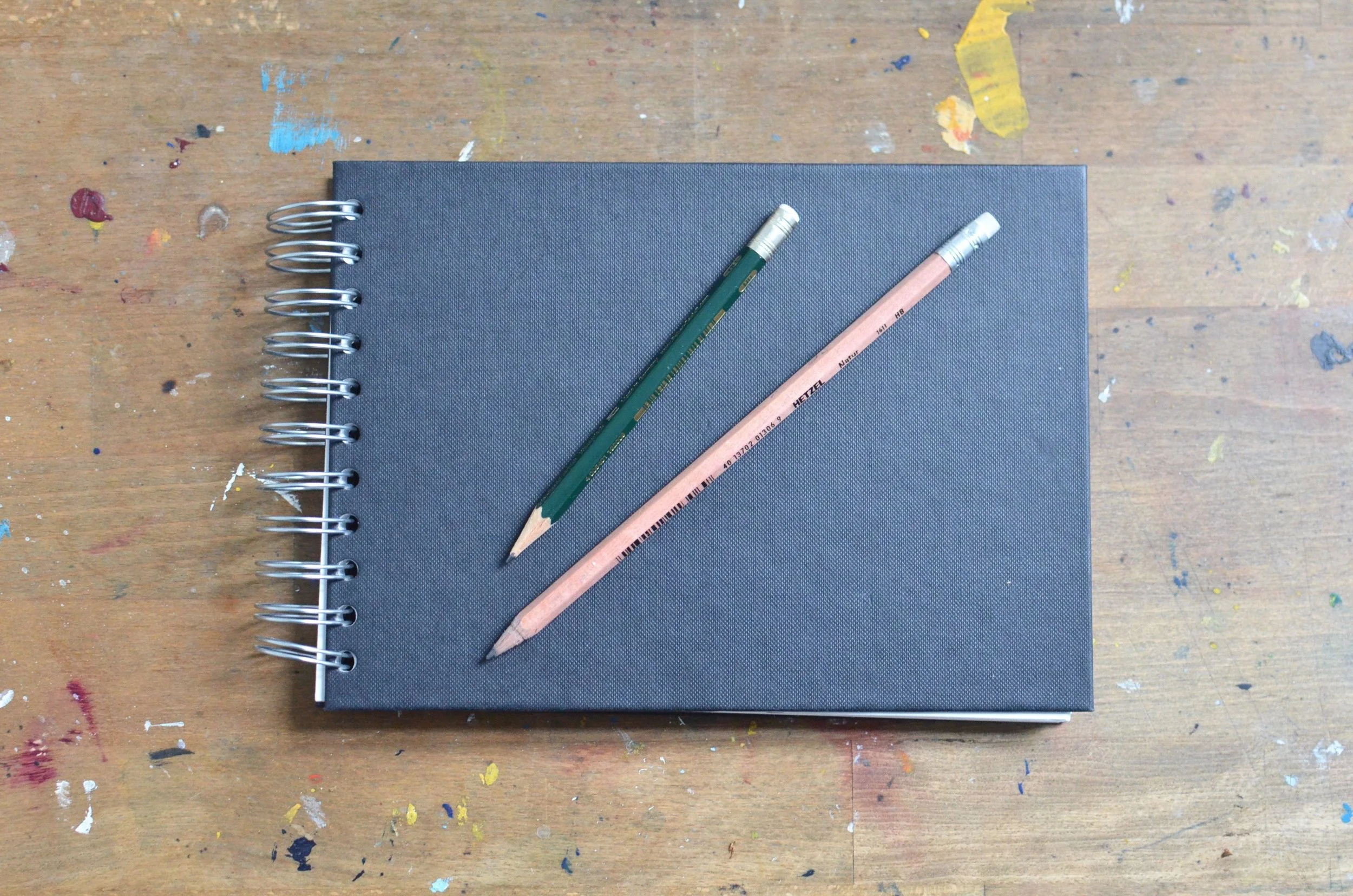
Simple thoughts before polished words
Step-by-Step: Writing Your Artist Statement
Here’s a gentle way to approach it:
Start with what you actually do
Write one or two simple sentences describing your materials and process.Describe what draws you in
Think about what keeps showing up in your work, even if you don’t plan it.Talk like you would to a real person
Imagine explaining your work to someone curious but not expert.Keep it short first, refine later
Don’t aim for perfection in the first draft. Just get it out.Read it out loud
If you stumble over it, it might be too complicated.Trim anything that feels unnecessary
If a sentence doesn’t help someone understand your work, it can go.
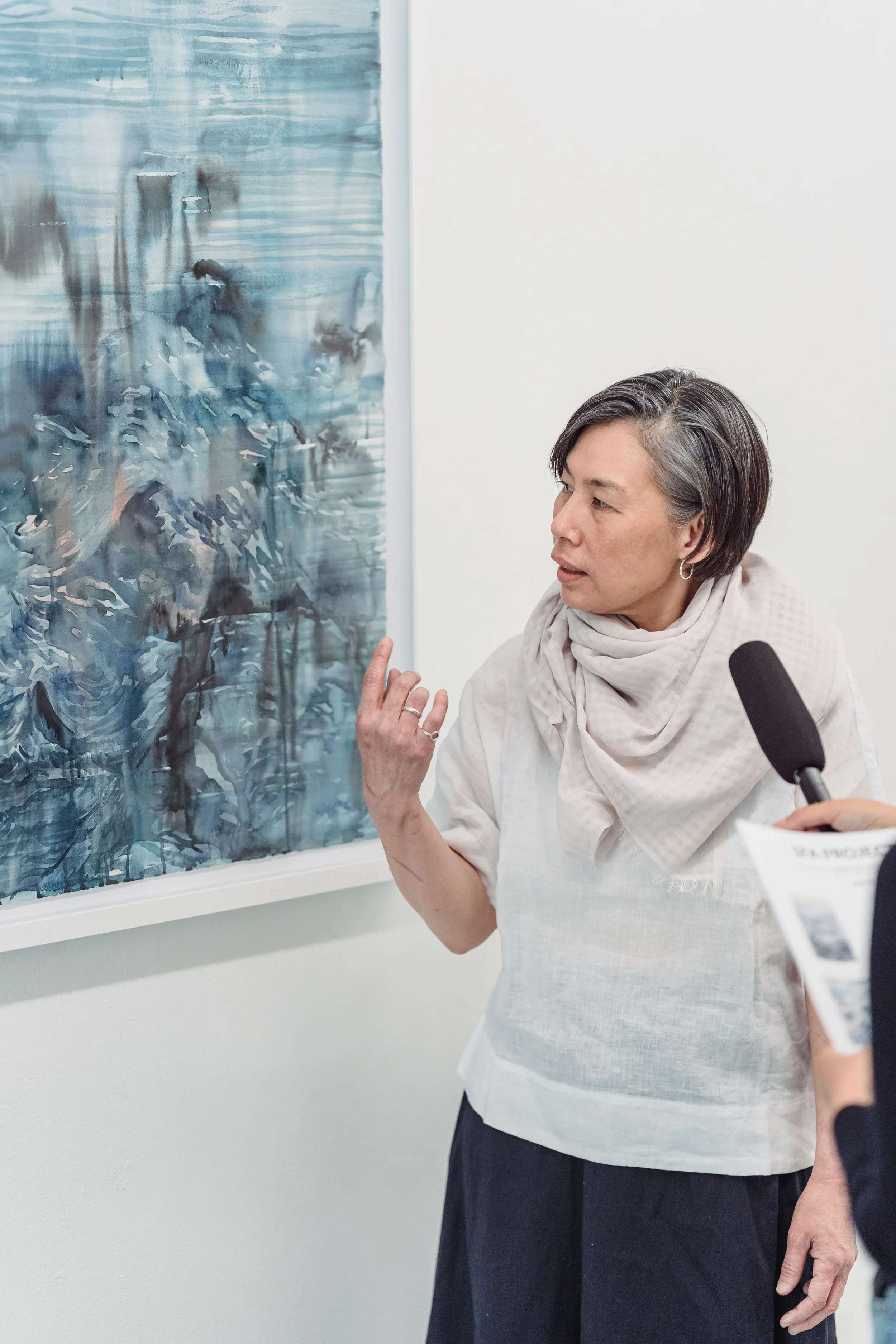
Talking about art, not overthinking it
Finding Your Natural Voice
This is where things start to feel easier.
Your voice doesn’t need to be invented. It’s already there in how you talk about your work when you’re relaxed.
Try writing like you’re talking to a friend who just asked, “So what do you make, actually?”
You don’t need to impress them. You just need to make sense to them.
And yes, you’re allowed to say things simply. In fact, simple usually lands better.

The messy middle of writing your statement
Common Mistakes Artists Make
One of the biggest traps is over-explaining. You don’t need to unpack every thought behind every brushstroke.
Another is copying the tone of gallery texts you’ve read. They can sound polished, but they’re not always personal.
And then there’s the classic: trying to sound more “serious” than you feel. That usually leads to writing that feels disconnected from your actual work.
If your statement doesn’t sound like you, it won’t help people connect with your art either.
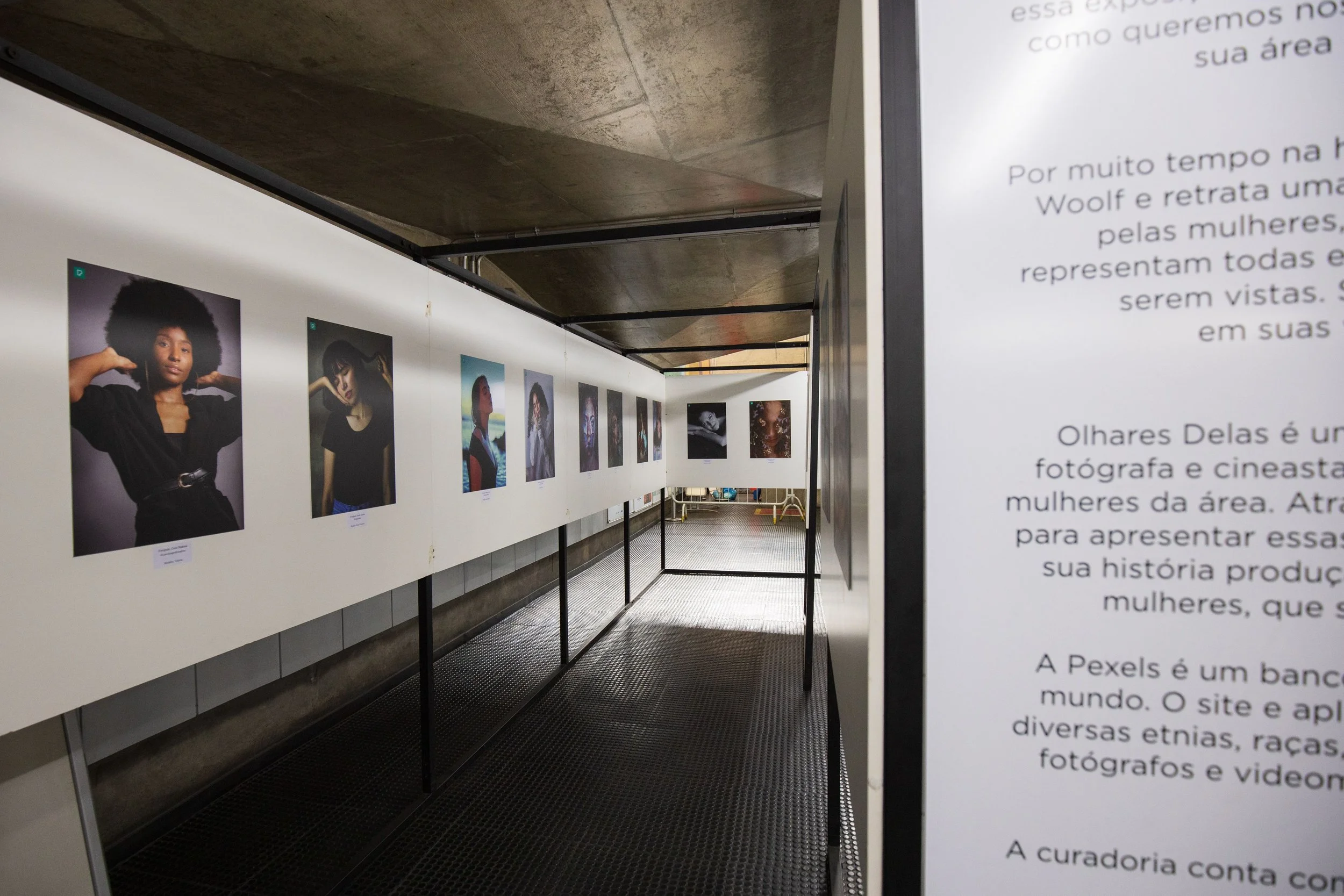
Words and artwork sitting side by side
Final Editing Tips and Real-World Use
Once you’ve written your draft, step away for a bit and come back to it later with fresh eyes.
Ask yourself:
Does this sound like me?
Would I say this out loud?
Does it actually help someone understand my work?
You’ll often find you can cut quite a bit without losing meaning.
Your artist statement will be used in different places too — your website, exhibition submissions, and sometimes gallery contexts — so having a clear, flexible version is really helpful.
It doesn’t need to be perfect. It just needs to be honest and readable. That alone already puts you ahead of most overly complicated statements floating around out there.