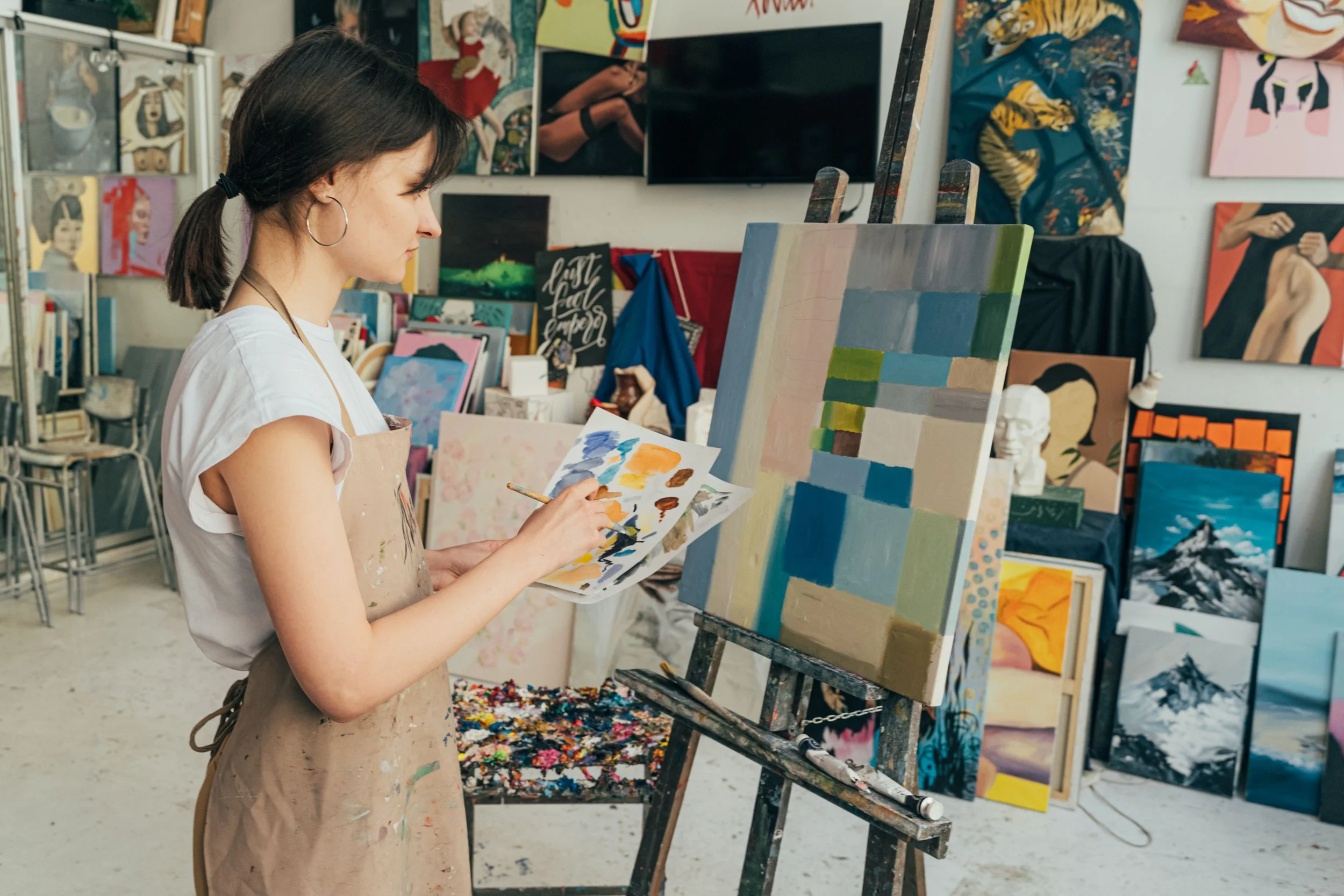
Every artist has moments of wondering where a painting is headed.
If you've ever stood in front of a painting and thought, "Well... I've completely ruined this," welcome to the club.
The good news is you're in excellent company.
Every mixed media artist, whether they've been painting for six months or twenty years, has moments where a painting seems to head off in a completely different direction. Colours turn muddy, layers become busy, compositions lose balance, and somehow that one "tiny adjustment" becomes another hour of fiddling.
The good news? Most paintings can be rescued.
Before you reach for a fresh canvas, here are a few things worth trying.
Why Mistakes Are Part of the Process
Mixed media is all about experimentation. You're combining different materials, textures and layers, so surprises are inevitable. Sometimes they're wonderful. Sometimes... not so much.
The important thing is to remember that a painting isn't finished simply because it has reached an awkward stage.
Many of my favourite pieces have looked absolutely dreadful halfway through. Fortunately, paintings don't know they're having a bad day.
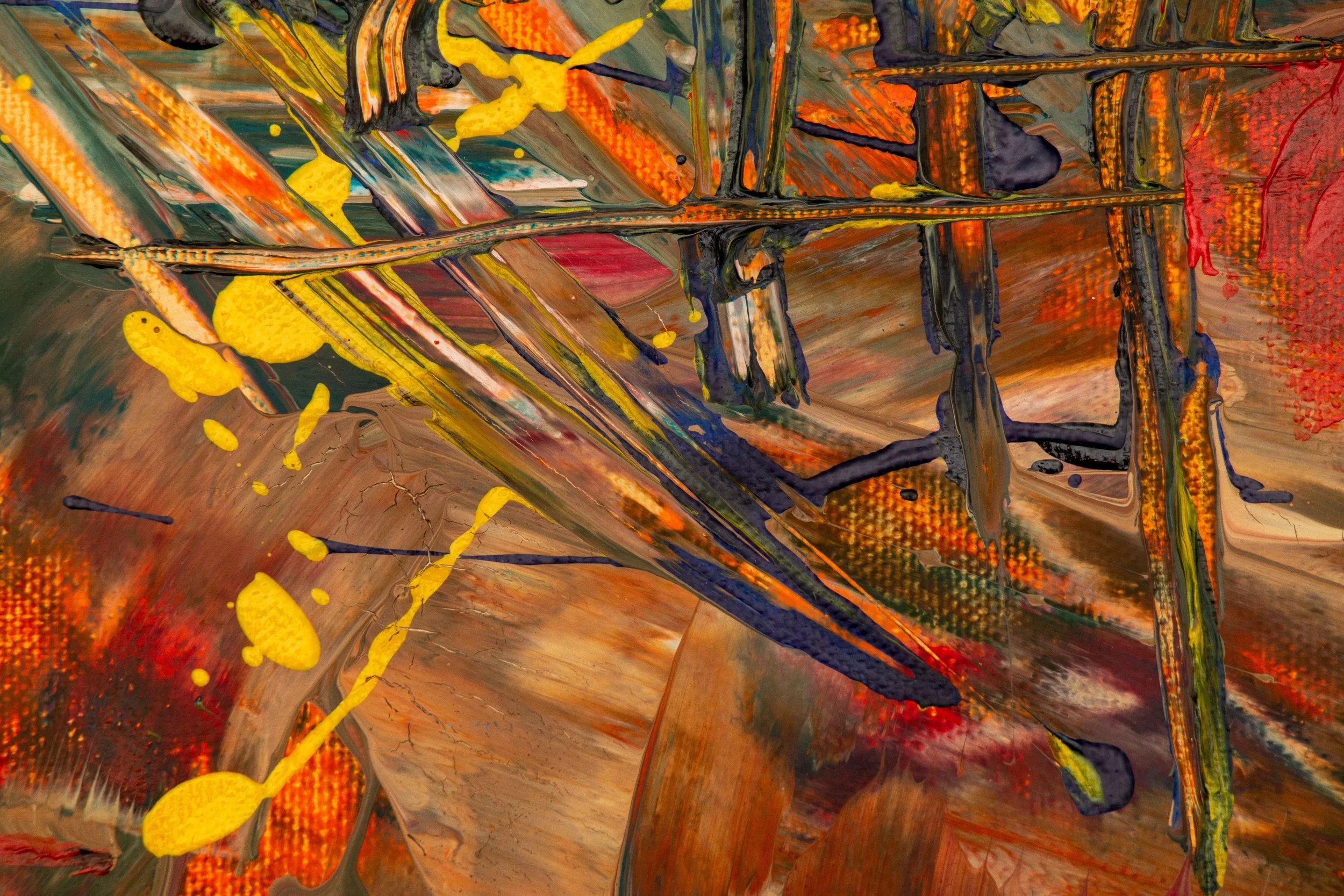
Muddy colours often have a surprisingly simple solution.
The Most Common Mixed Media Problems
Most artists run into similar challenges. Colours become muddy after too many layers. Texture starts competing for attention instead of supporting the composition. Collage elements overwhelm the painting.
Everything feels equally important, so nothing stands out.
Or perhaps the painting simply loses the energy it had when you first started.
The encouraging news is that each of these problems usually has a practical solution.
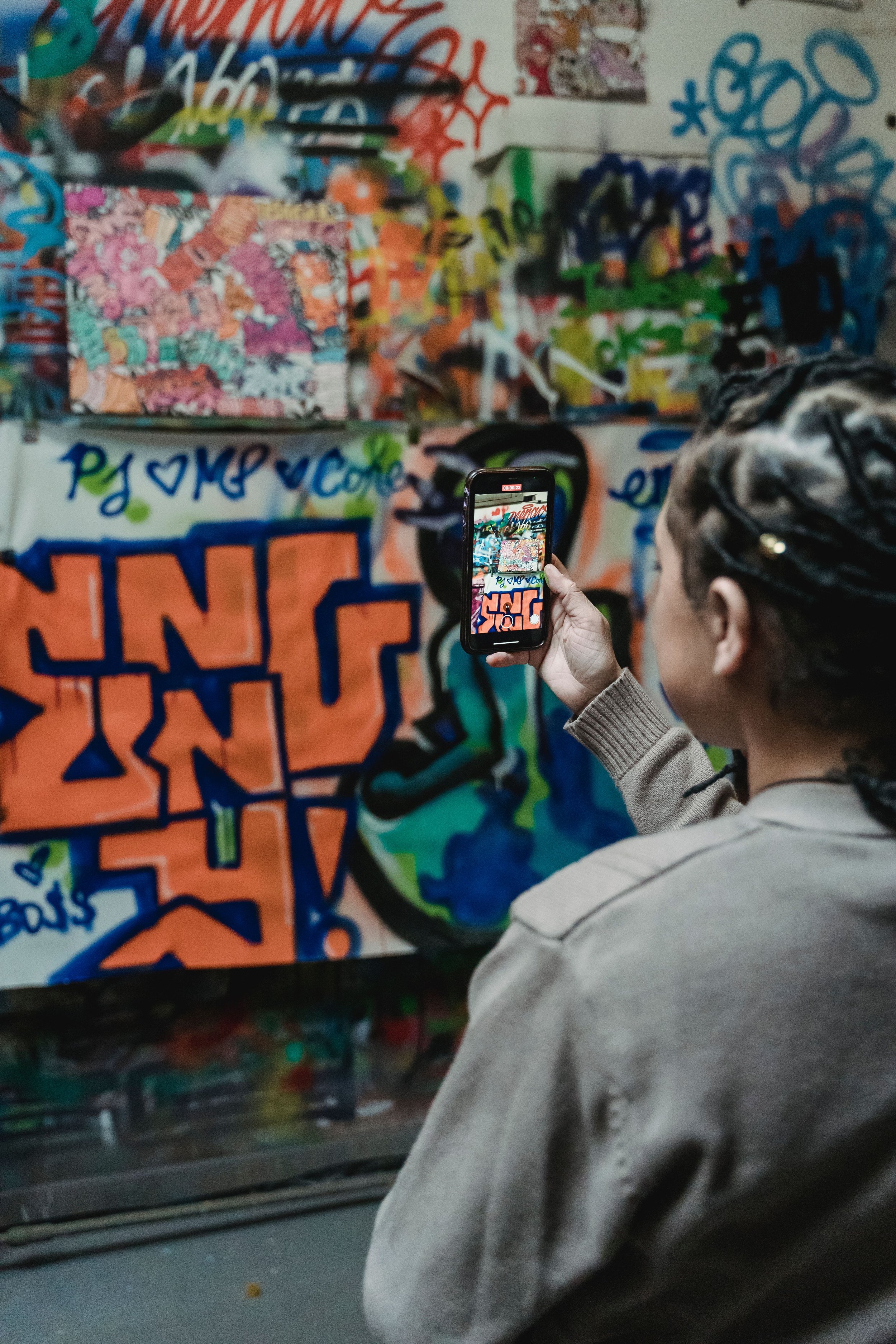
A quick photo often reveals what your eyes have stopped noticing.
Six Ways to Rescue Your Painting
1. Walk Away for a Day
This sounds almost too simple, but it works.
Fresh eyes often spot solutions that tired eyes completely miss.
Instead of making another twenty changes, leave the painting overnight and come back tomorrow.
2. Simplify One Area
If everything is shouting, nothing gets heard.
Choose one section to quieten down.
You might paint over part of the background, soften some texture or remove a collage element.
Giving the eye somewhere to rest often transforms the whole composition.
3. Restore Contrast
Many paintings become muddy because the light and dark values start blending together.
Add back some stronger darks or cleaner light areas.
Contrast creates structure and helps the focal point emerge again.
4. Introduce a Fresh Layer
One advantage of mixed media is that you don't have to work with what's already there.
A transparent glaze, fresh collage paper or a few confident marks can completely shift the painting.
Sometimes one new layer brings everything together.
5. Check the Composition
Turn the painting upside down.
View it in a mirror.
Photograph it on your phone.
These simple tricks help you notice balance problems that you've become blind to while painting.
6. Know When to Stop
Perhaps the hardest lesson of all.
Many paintings are overworked simply because we keep trying to improve something that was already working.
Sometimes the final brushstroke is actually the one you don't make.
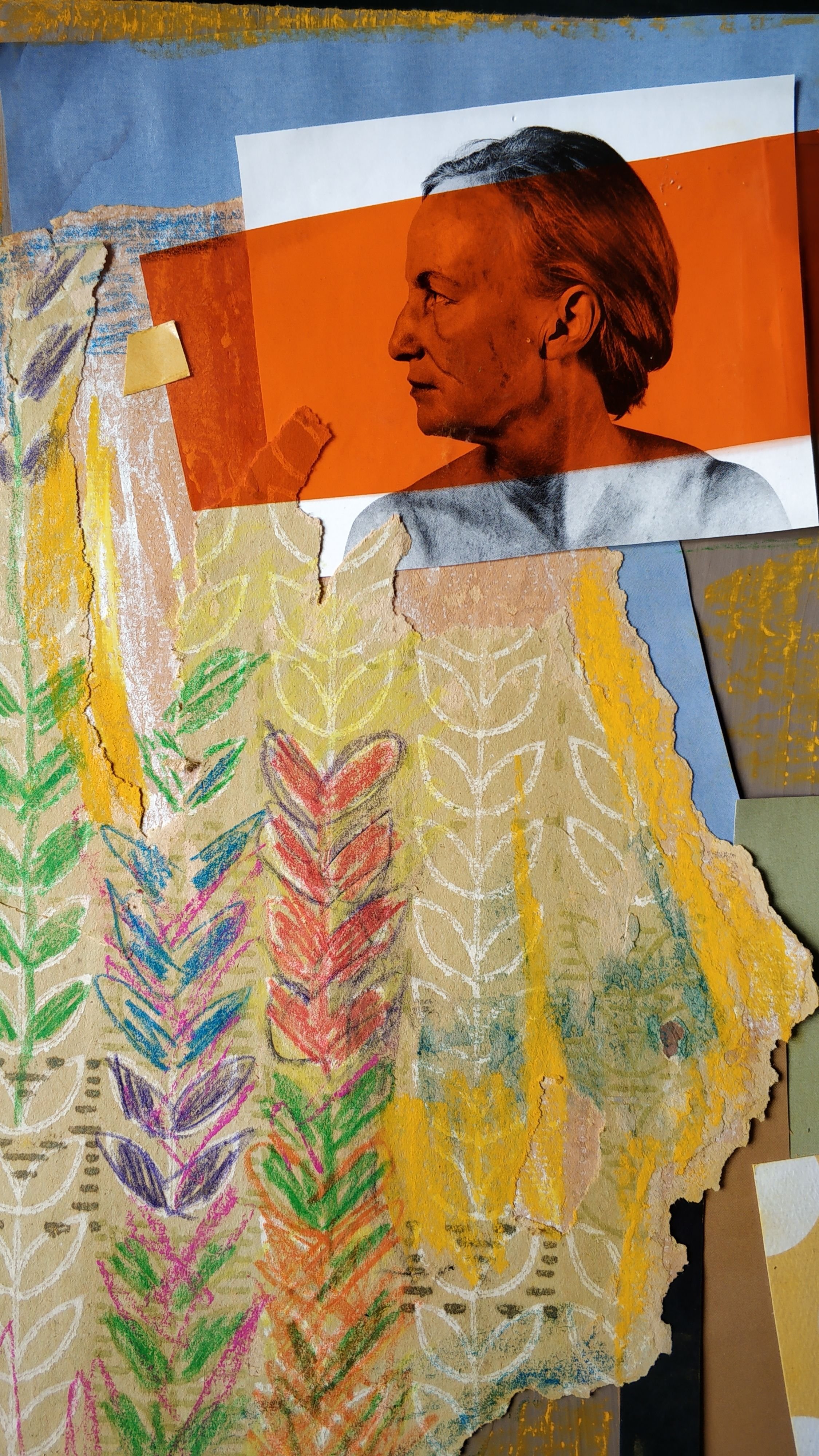
New layers can completely change the direction of a painting.
Learning From the Painting
Even if a painting never becomes one of your favourites, it still has something to teach you. Perhaps you discovered a colour combination that doesn't work. Maybe you found a texture you love. Or perhaps you realised you tend to keep adding "just one more thing." Every painting becomes part of your education.
That's a much better outcome than believing you've wasted your time.
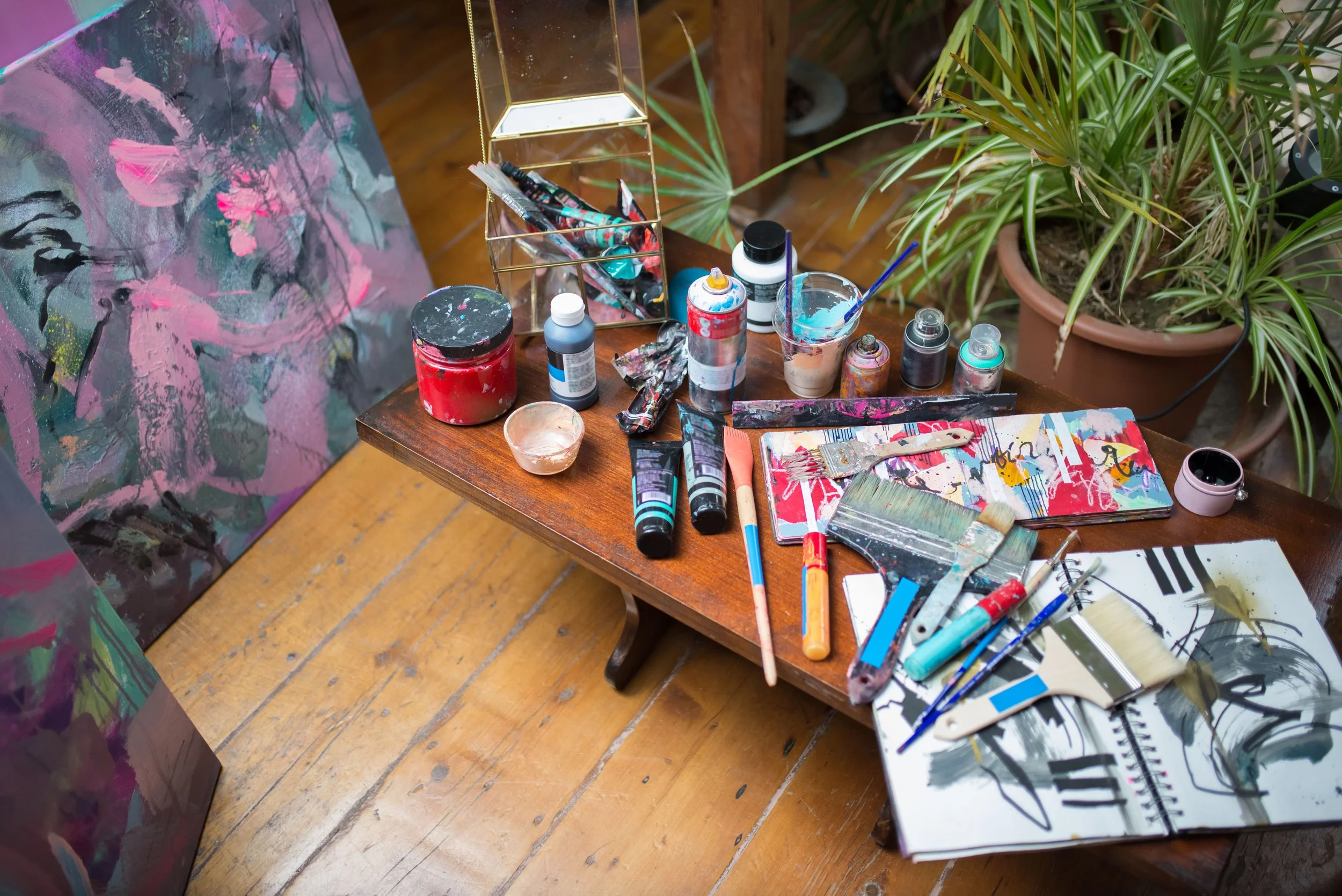
Sometimes the painting you almost gave up on becomes your favourite.
Final Thoughts
One of the lovely things about mixed media is that it encourages resilience. Unlike watercolour, where mistakes can sometimes be difficult to reverse, mixed media gives you options.
You can cover.
You can sand.
You can glaze.
You can collage.
You can completely reinvent the surface.
So next time you're convinced a painting is beyond saving, pause before reaching for a new canvas. You might be only one thoughtful decision away from creating your favourite piece yet. After all, some of the best paintings begin life as "What on earth have I done?"