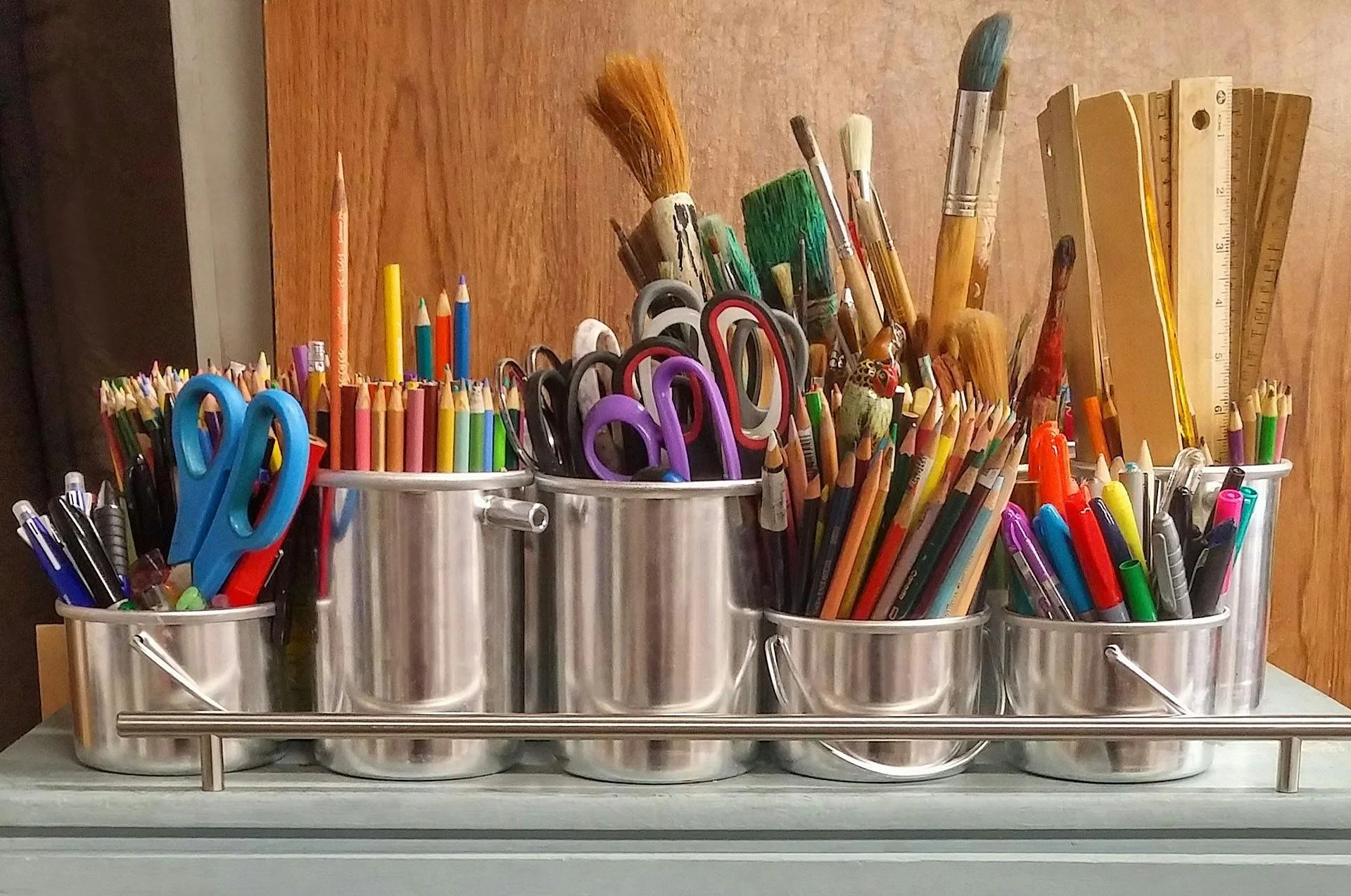
Layer your supplies by following some basic rules to avoid a muddled mess.
Let’s be real: layering is the magic of mixed media. It’s where all the delicious texture and depth happen - those mouth-watering, ‘how did they DO that?! moments. But if you’ve ever stood back and thought, ‘Hmm… my masterpiece looks more like a swamp,’ you’re not alone!
The art of layering is about knowing when to build up... and when to pause. Today we’re spilling the (acrylic-splattered) tea on how to keep your layers rich, not wrecked.
The Basics of Building Layers: Start Strong
Every good painting starts with a solid base. Mixed media is no different. Whether you’re working on canvas, wood, or paper, begin with:
A sturdy surface: It needs to hold up under all those glorious layers and potentially, a lot of moisture from wet media.
A good primer (gesso): Think of this as the undergarments of your painting - unseen but essential.
A clear idea: Even if you’re an intuitive artist, having a loose plan (e.g., light to dark, or background to foreground) can save you heartache later.
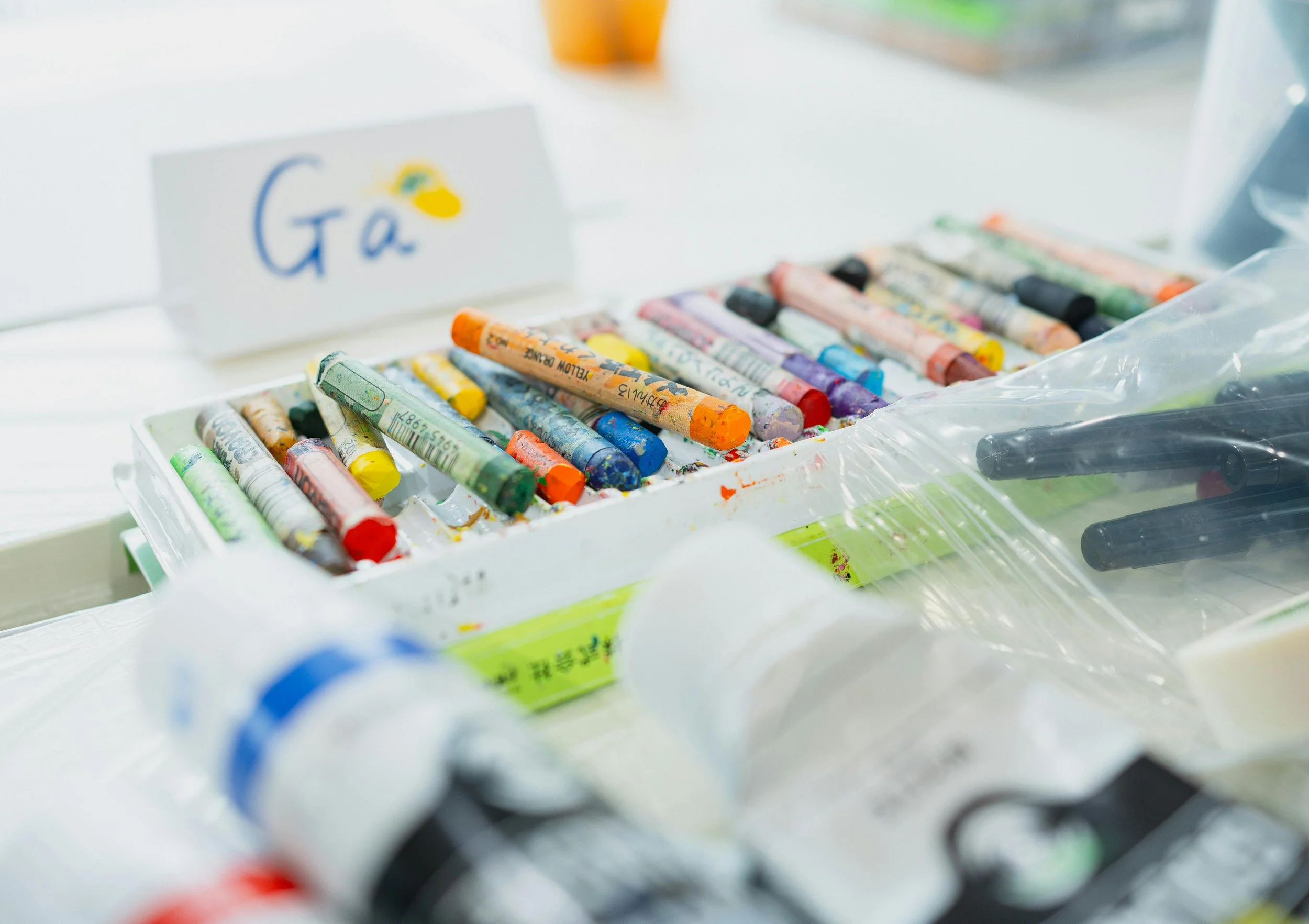
Dry Between Layers (Yes, Even When You’re Impatient)
It’s tempting to keep going when inspiration strikes, but mixed media loves to punish the hasty. Trust me: taking time to let each layer dry prevents unwanted smears, muddy colours, and peeling disasters.
Hot tip: Use a hairdryer (a.k.a. the artist’s best friend) to speed things up if you’re anything like me and patience is not your virtue. 😄
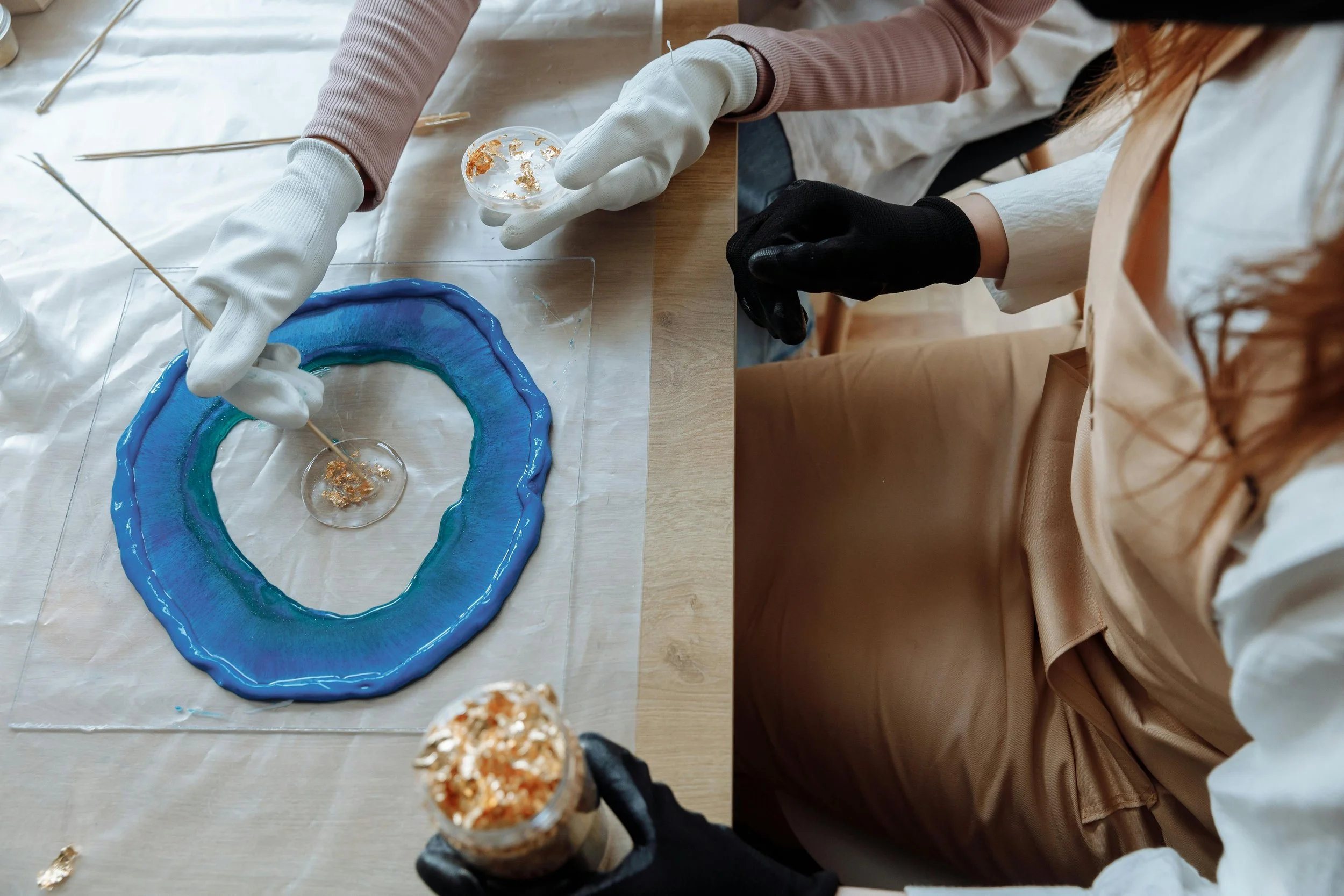
Make sure to dry each layer before moving on.
Mix Up Your Mediums—But Play Nice
We love variety - inks, acrylics, collage, pencils - but not all materials get along. The golden rule?
Wet on dry: To avoid chaos, layer wet media (like paint) on top of dry media (like collage paper).
Fat over lean: Save your thicker paints or textures for upper layers, keeping the earlier layers thin and flexible.
You can layer oil based products over acrylics but not the other way around – they just wont stick.
This keeps your masterpiece from cracking, peeling, or otherwise disappointing you later on.
Create Visual Depth with Transparency and Opaqueness
If everything’s equally bold, nothing stands out. That’s why a mix of:
Transparent layers (like glazes or tissue): Add mystery and softness.
Opaque layers (like thick paint or heavy collage): Ground the piece and create ‘anchors’ for the eye.
Layering these thoughtfully is like composing a symphony - each part has its own role, but together? Pure harmony.
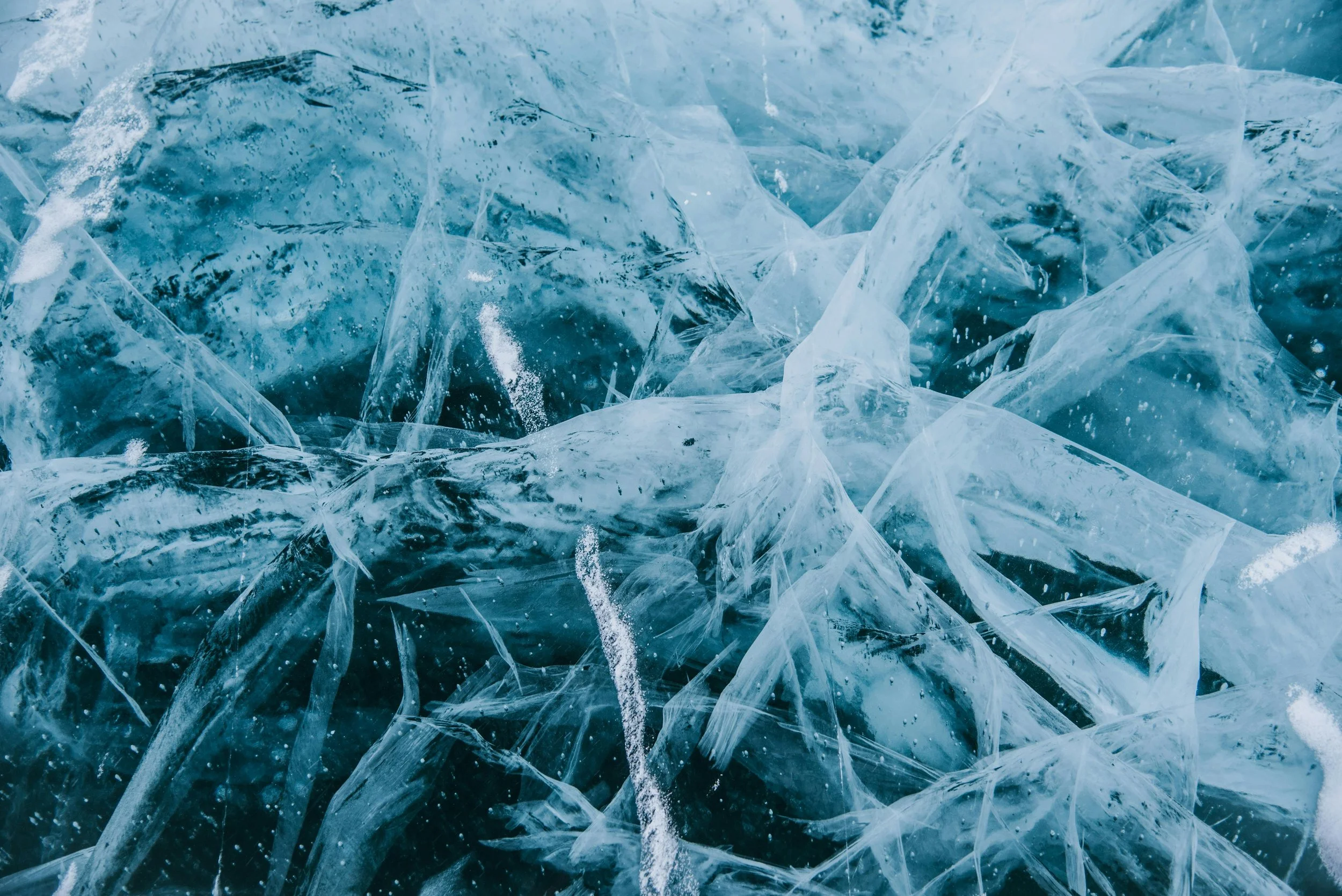
Let some light shine through and play with transparent layers.
Embrace Happy Accidents (But Learn from the Mess-Ups)
Let’s face it: sometimes things do get messy. And honestly? Some of my favourite pieces started as total disasters. The key is to lean into the unexpected and remember:
You can always cover up a section you hate.
Scraping back layers can reveal gorgeous surprises.
Each “oops” teaches you something new for next time.
Mixed media is all about play - perfectionists, beware.
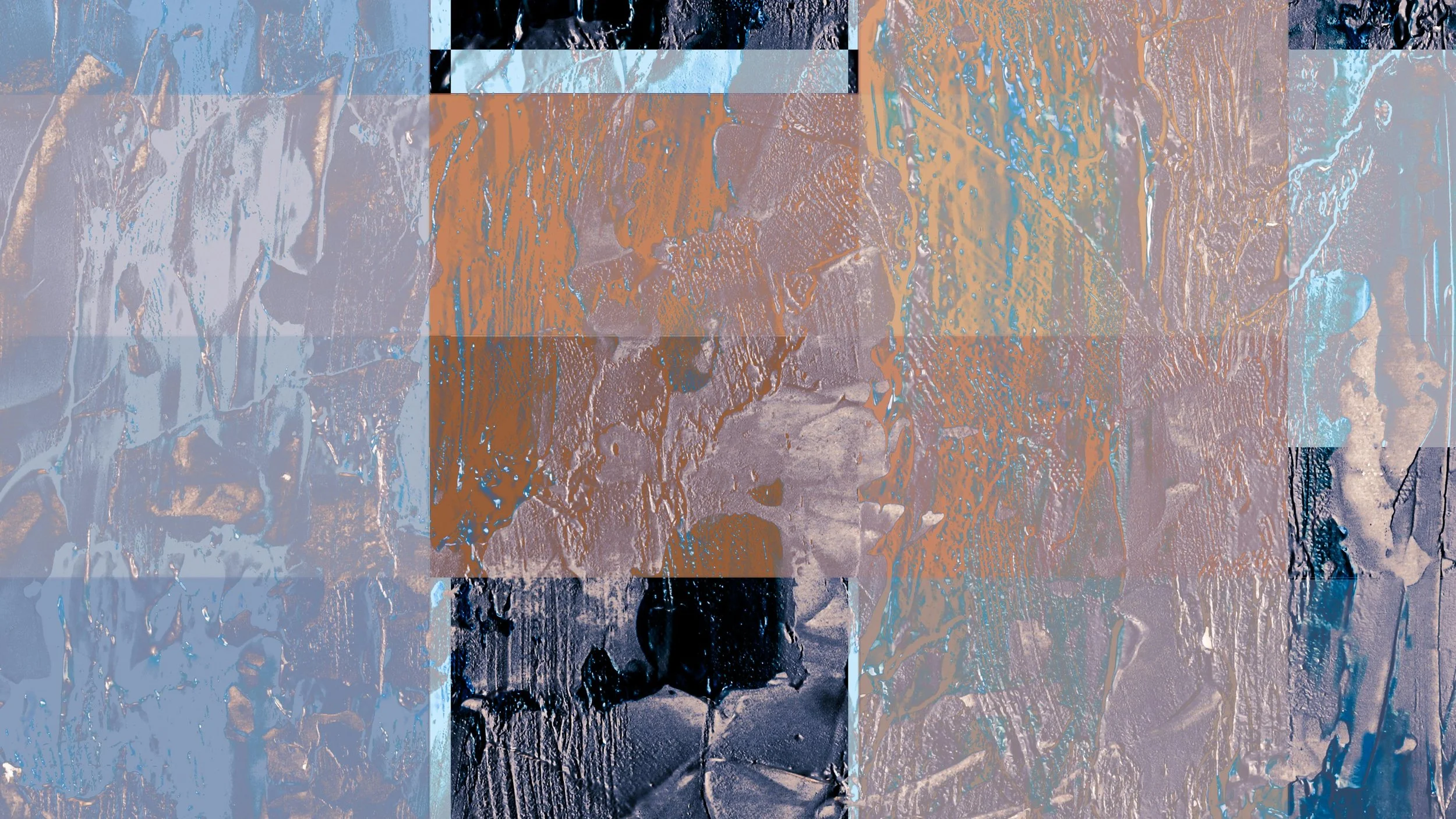
Texture that tells a story… and peeks through like a cheeky secret.
Quick Tips for Fuss-Free Layering
Let’s break it down into bite-sized, do-this-now steps:
Plan Your Roadmap: Jot down a quick list of your chosen mediums and the order you’ll use them. This keeps you from piling on chaos.
Limit Your Palette: Stick to a cohesive colour scheme to keep things fresh, not frantic.
Mind the Glue: Use the right adhesive for collage (gel medium is a favourite of mine) - cheap glue can warp or yellow over time.
Texture Talk: Add texture early in your layers so it peeks through, rather than sits awkwardly on top.
Step Back: Every few layers, pause and look at your work from a distance - this stops you from overdoing it.
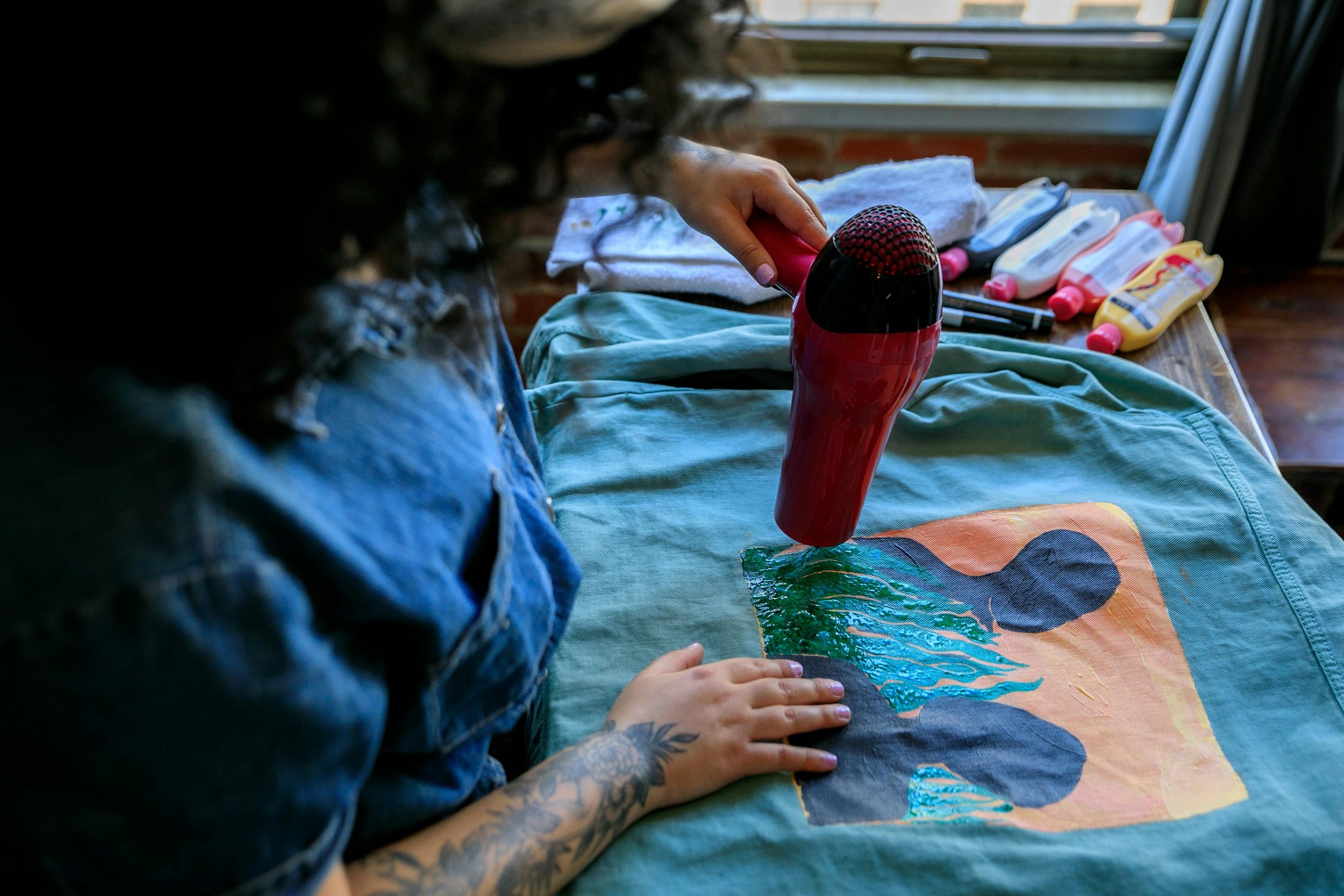
Pro tip: patience is overrated. Hairdryers are where it’s at!
Layering Confidence = Creative Freedom
Layering in mixed media is a dance of intuition and know-how. Yes, it can get messy (both literally and creatively), but once you get the hang of it? Pure magic. The next time you’re mid-layer and wondering if it’s a hot mess or a hidden masterpiece - keep going. Trust the process, give things time to dry, and remember, even the ugliest duckling layer can turn into a swan.