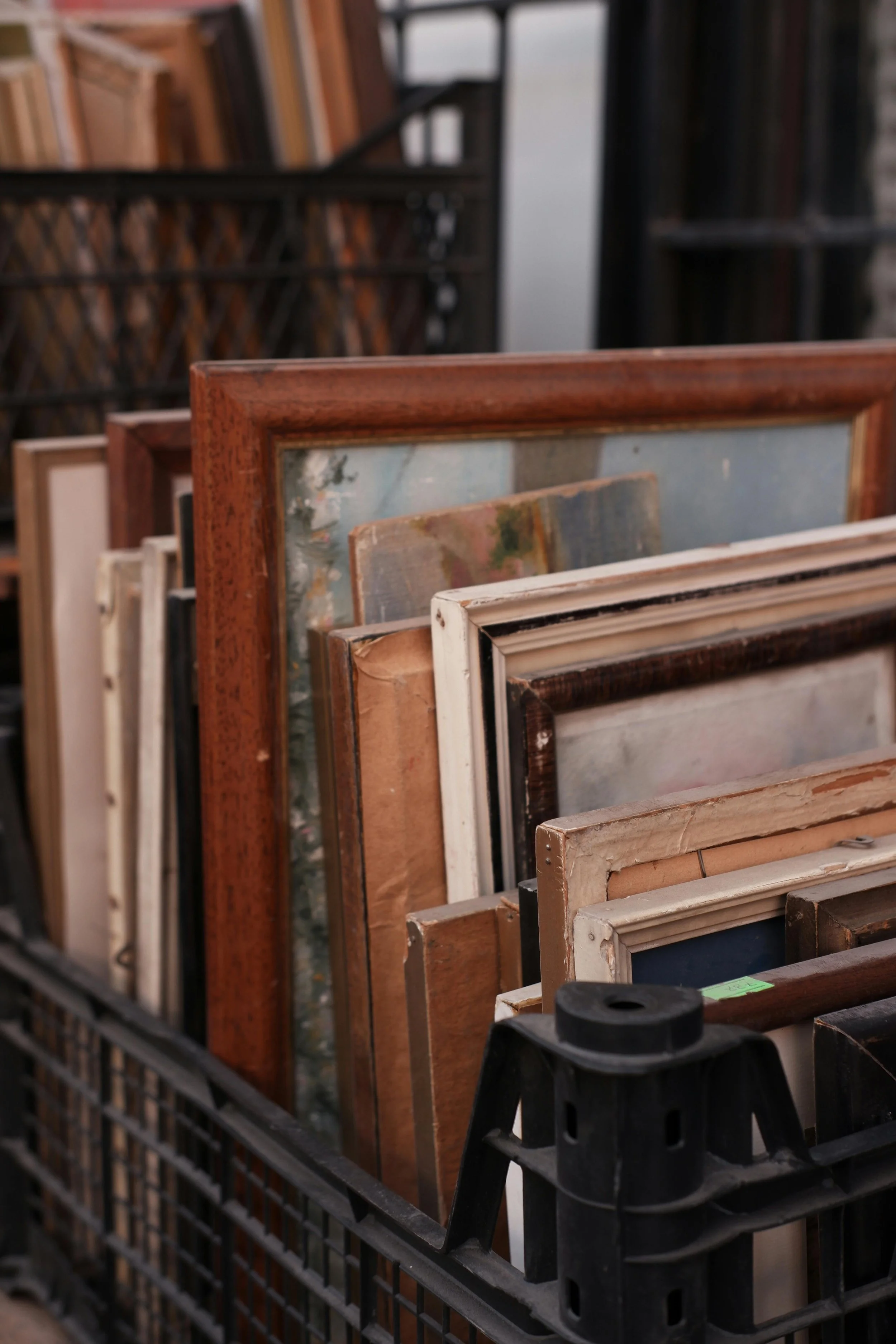
There are simple ways to improve on your art storage which will keep it safe.
Let’s face it: not all of us have a glossy, climate-controlled art studio with endless racks and pristine shelves. (If you do - can I come visit? 😄) But here’s the good news: you don’t need all that to keep your beloved artwork safe and sound at home.
Whether you’re an artist with stacks of canvases or a collector building your dream gallery wall, safe storage is essential to avoid nasty surprises like mystery stains, bent corners, or the dreaded damp disaster. Here’s how to protect your pieces without needing a VIP storage setup.
Keep It Cool, Dry & Steady
Art hates extremes—whether it’s blazing heat or a damp chill. The safest bet is to store your art in a cool, dry place where the temperature and humidity don’t yo-yo.
How to do it:
Avoid sheds, basements and attics (moisture traps!)
Aim for a room with stable conditions - think bedroom or spare room
If humidity’s an issue, pop in a dehumidifier or silica gel packs

Keep it upright and cushioned – no leaning tower of canvases here!
Store Vertically (But Not Leaning!)
Stacking art flat can warp it, but leaning it against a wall can cause it to bend. Vertical storage is best - but with the right support.
How to do it:
Use racks or a shelf divider to keep art upright
Make sure pieces aren’t squished or leaning at a sharp angle
Add foam board or cardboard between pieces for extra cushioning (acid free of course)
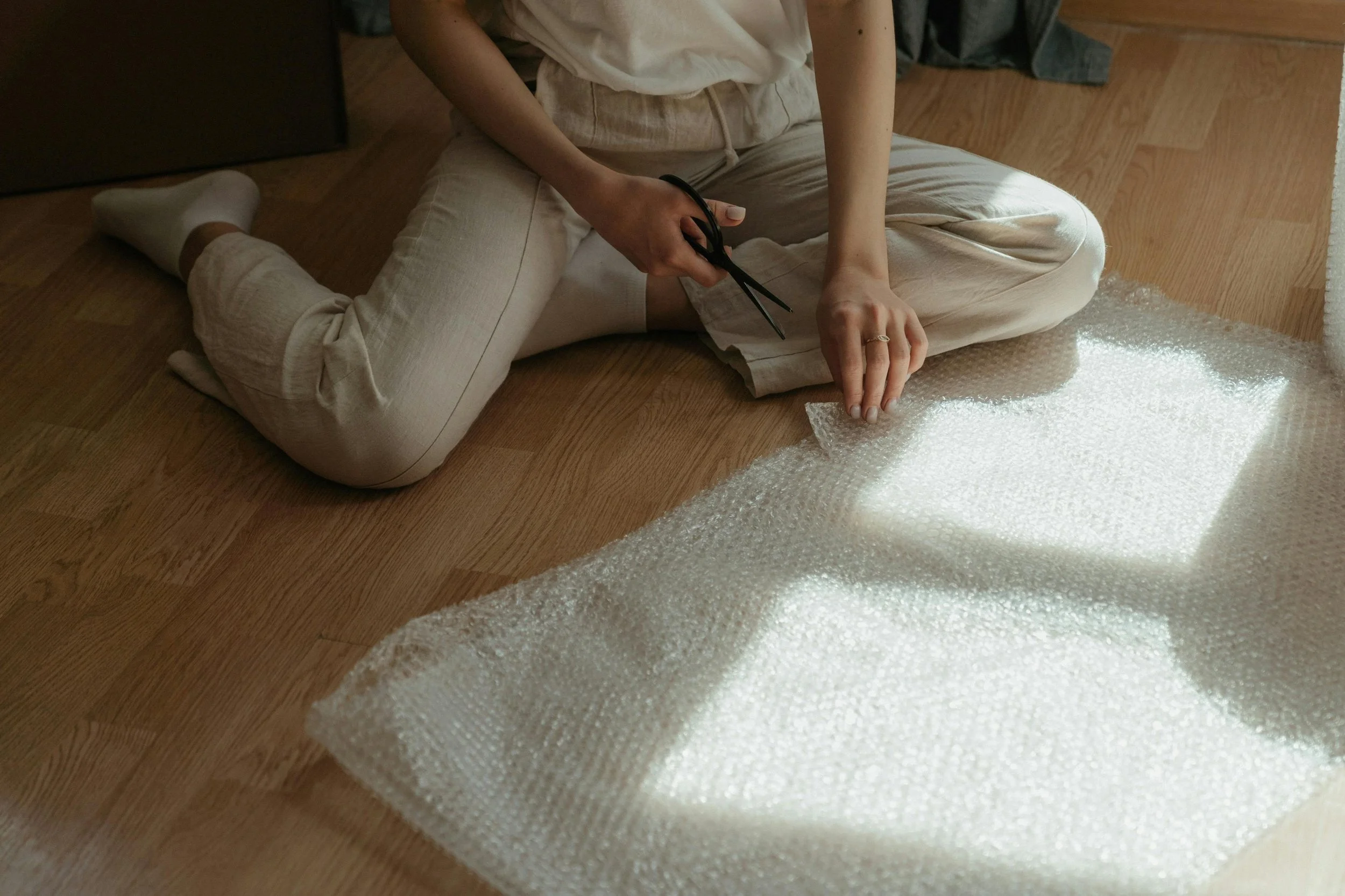
Wrap it firmly but not too tight - it needs to breathe a little.
Wrap It Up Right
Wrapping your art keeps out dust and protects surfaces, but you’ve got to pick the right materials. (Spoiler: glad wrap is not your friend here. 😅)
How to do it:
Use acid-free paper or glassine for surface protection
Cover the whole piece with breathable fabric (like cotton sheets)
For extra security, wrap in bubble wrap—but keep bubbles facing out to avoid imprints
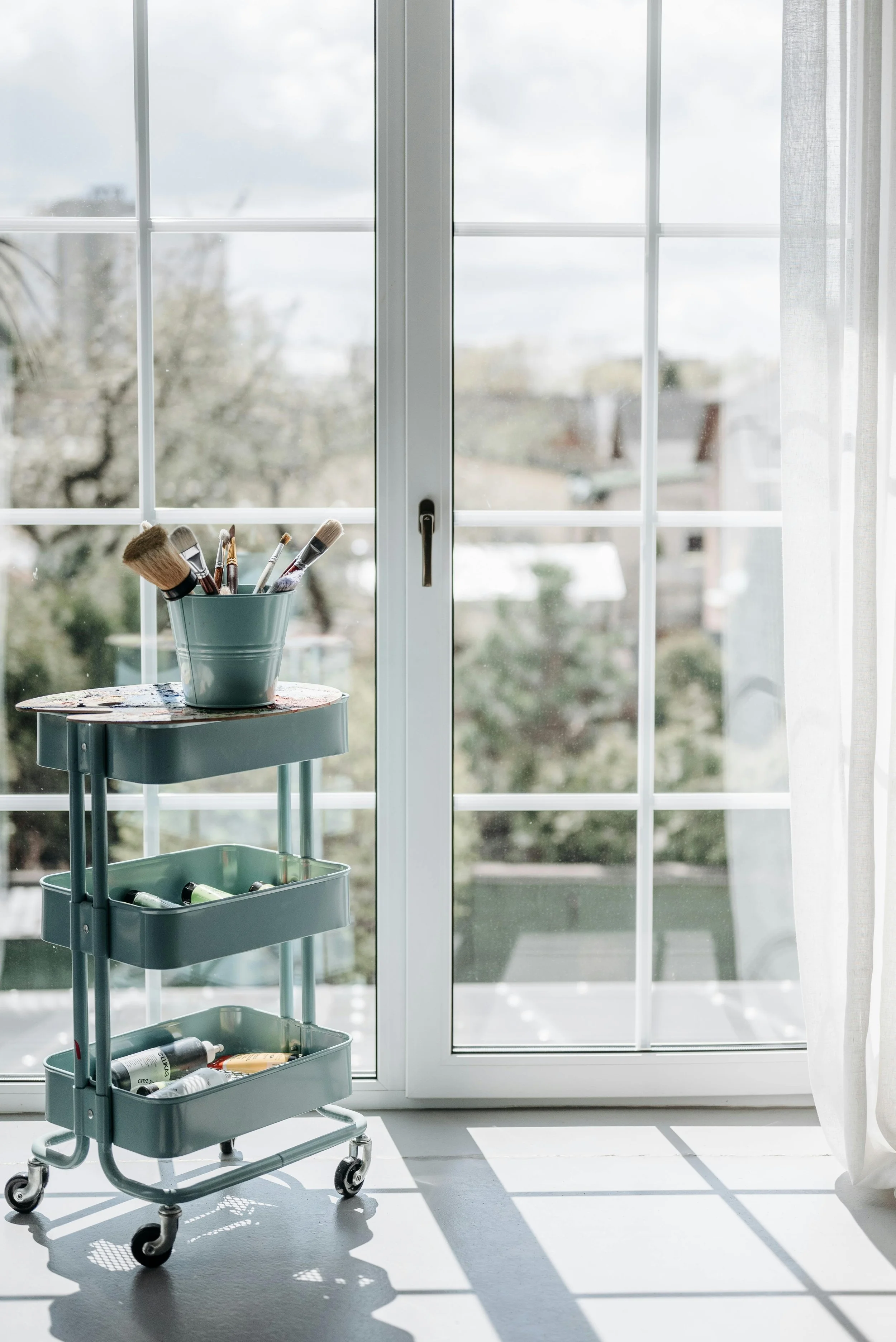
Not all art wants to sunbake - store it in the shade and reduce fading.
Avoid Direct Sunlight
We all love a bit of sunshine, but your art - not so much. Sunlight can fade colours and damage delicate surfaces over time.
How to do it:
Store art in a shaded area
If you must hang it in a sunny room, consider UV-protective glass
Rotate displayed pieces regularly to limit exposure
Mind the Frame & Mat
If your art’s framed, the frame and mat matter just as much as the piece itself when it comes to safe storage.
How to do it:
Check frames for loose joints or cracked glass
Make sure mats are acid-free to avoid yellowing
Store framed pieces upright and well-padded
Handle With Clean Hands
Sometimes the biggest threat to your artwork is… well, you. 😅 Oils and dirt from your hands can stain or degrade surfaces over time particularly if they aren’t well sealed.
How to do it:
Always wash and dry hands before handling art
Better yet, use cotton gloves for delicate pieces
Lift artwork by the edges or frame, not the surface

Labelling will save you hours of searching!
Watch Out for Pests
Tiny critters can wreak havoc on your masterpieces if you’re not careful (I’m looking at you, silverfish and moths).
How to do it:
Keep storage areas clean and dry
Regularly check for signs of pests
Use cedar blocks or natural repellents if needed
Label & Track
This one's a lifesaver, especially if you’ve got a growing collection or stockpile of work. Keeping track of what’s where avoids squishing pieces while rummaging or forgetting one of your favourites.
How to do it:
Label stored pieces clearly with titles and dates
Keep a simple inventory list (a notebook or spreadsheet does the trick)
Snap a quick pic of each piece for easy reference
Final Thoughts
Safe art storage doesn’t have to be complicated or cost the earth - just a few thoughtful steps can keep your masterpieces looking their best for years to come. Whether it’s your first painting or your hundredth, taking care of your art is part of honouring the work (and sweat!) that went into making it.
So next time you tuck a piece away, give it a little extra love - and breathe easy knowing it’s safe from damp, dust, and disaster.