How to Create a Cohesive Series of Abstract Paintings
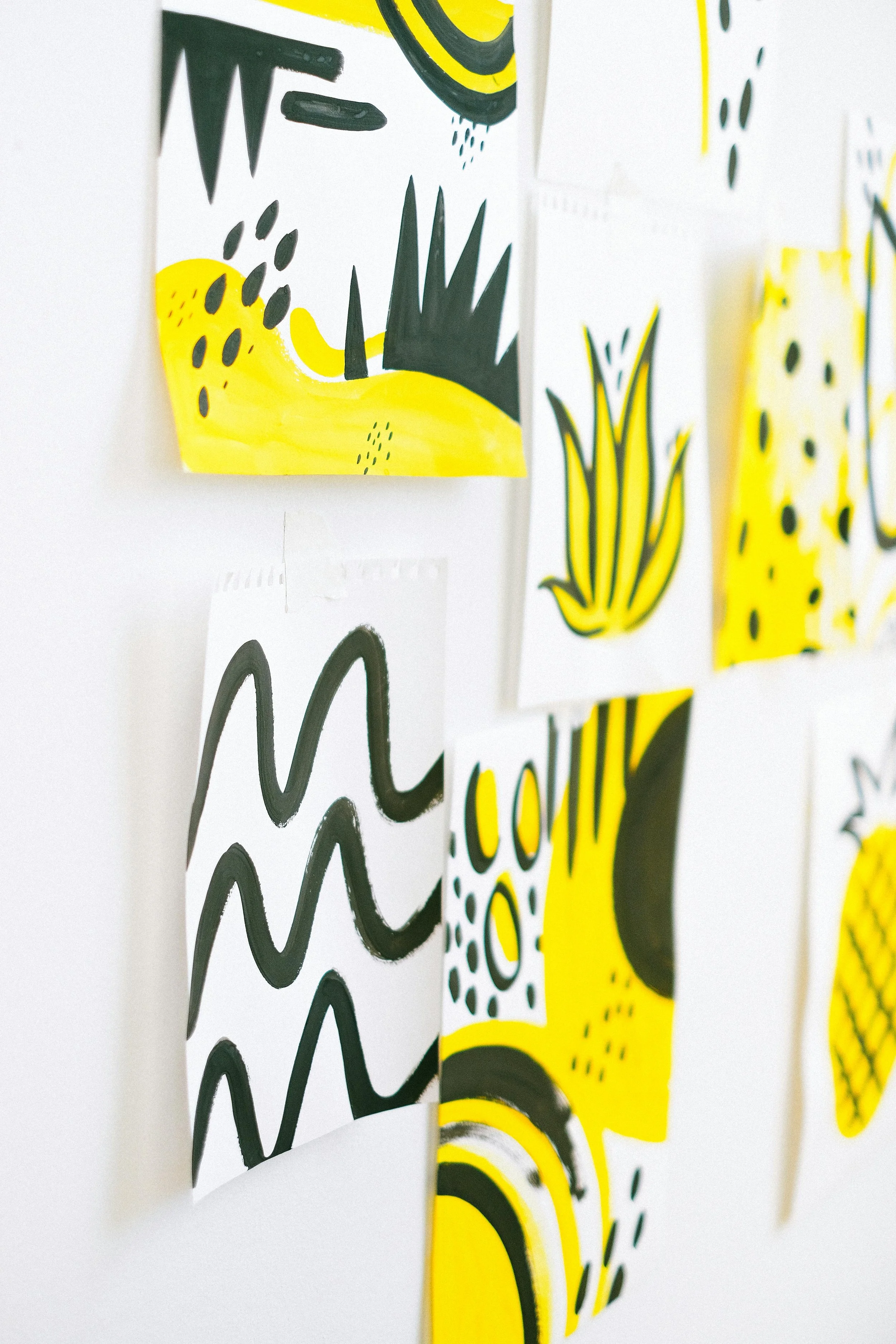
A family of artworks – all different, but you can tell they’re related
Ever had a few paintings that looked like they came from completely different planets? One’s moody and monochrome, the other’s a confetti explosion, and the third is… well, let’s call it an ‘experimental phase’ 😂.
Creating a series is a fantastic way to pull your work together and tell a deeper story. It helps your art feel connected - like a family of pieces that belong together. Whether you’re prepping for an exhibition, building your portfolio, or just craving more direction in your studio practice, this step-by-step guide is your creative compass.
Let’s dive into how to create a series that feels like you, looks amazing, and flows like a visual conversation.
Choose a Concept or Theme
Start with an idea that excites you. It doesn’t have to be grand—it just needs to hold your interest over a few pieces.
How to do it:
Pick a theme that makes you curious: emotions, landscapes, memories, seasons, a quote, a colour
Keep it flexible but focused - enough to explore, not so broad it’s overwhelming
Jot down a few sentences to describe the heart of your idea
Example: Exploring the tension between chaos and calm using colour and texture.
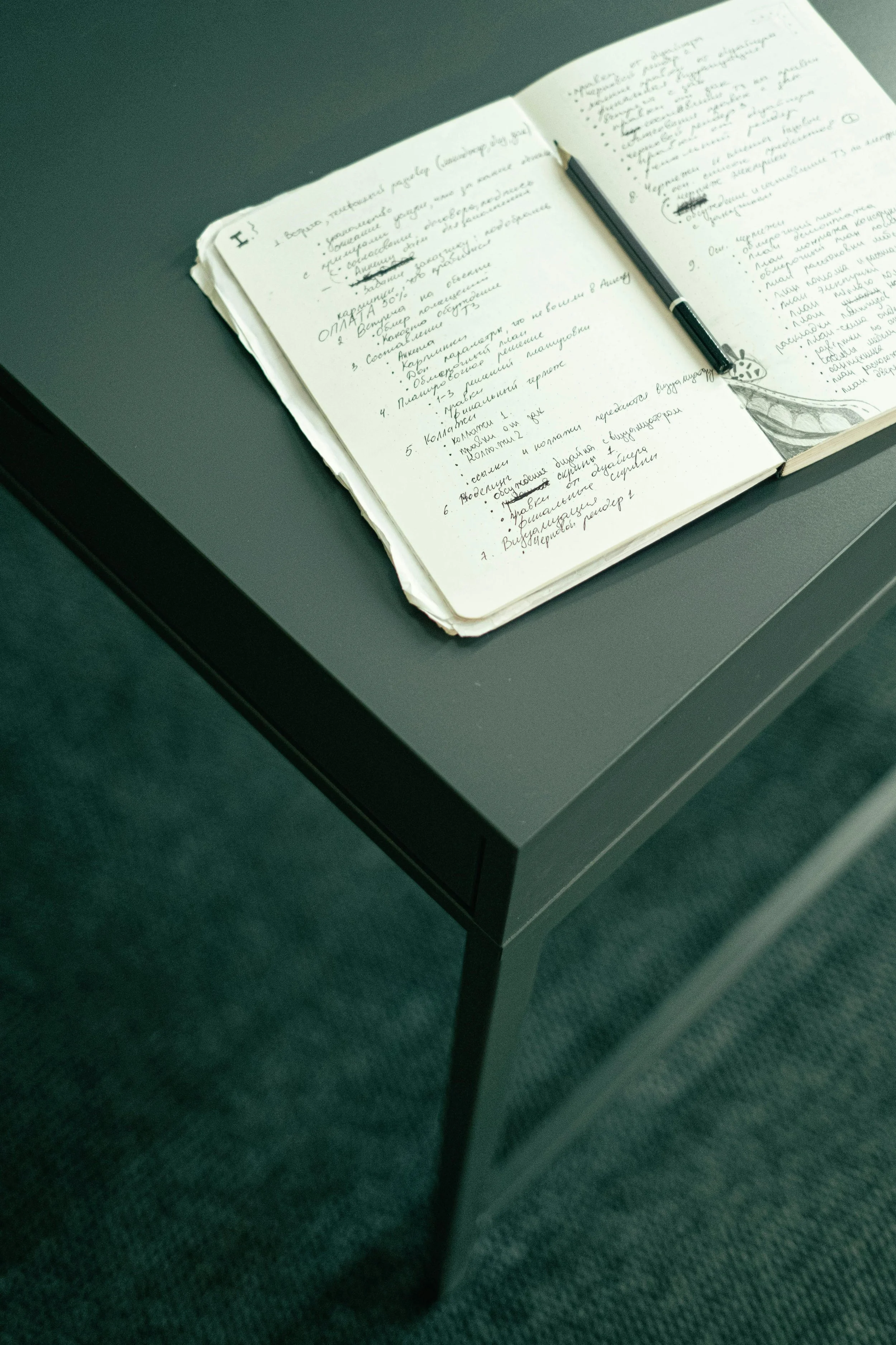
This is where it starts – messy notes, random ideas, and the occasional coffee stain of genius.
Limit Your Materials (on Purpose!)
Constraints can be so freeing (really!). Using a similar palette or material set creates cohesion without sucking out the fun.
How to do it:
Choose 3 - 5 recurring materials: e.g., acrylic, collage paper, pencil
Pick a limited colour palette as your series ‘language’
Repeat certain textures or tools - like using palette knife marks or stitched lines
It’s not boring—it’s branding (but the fun kind).
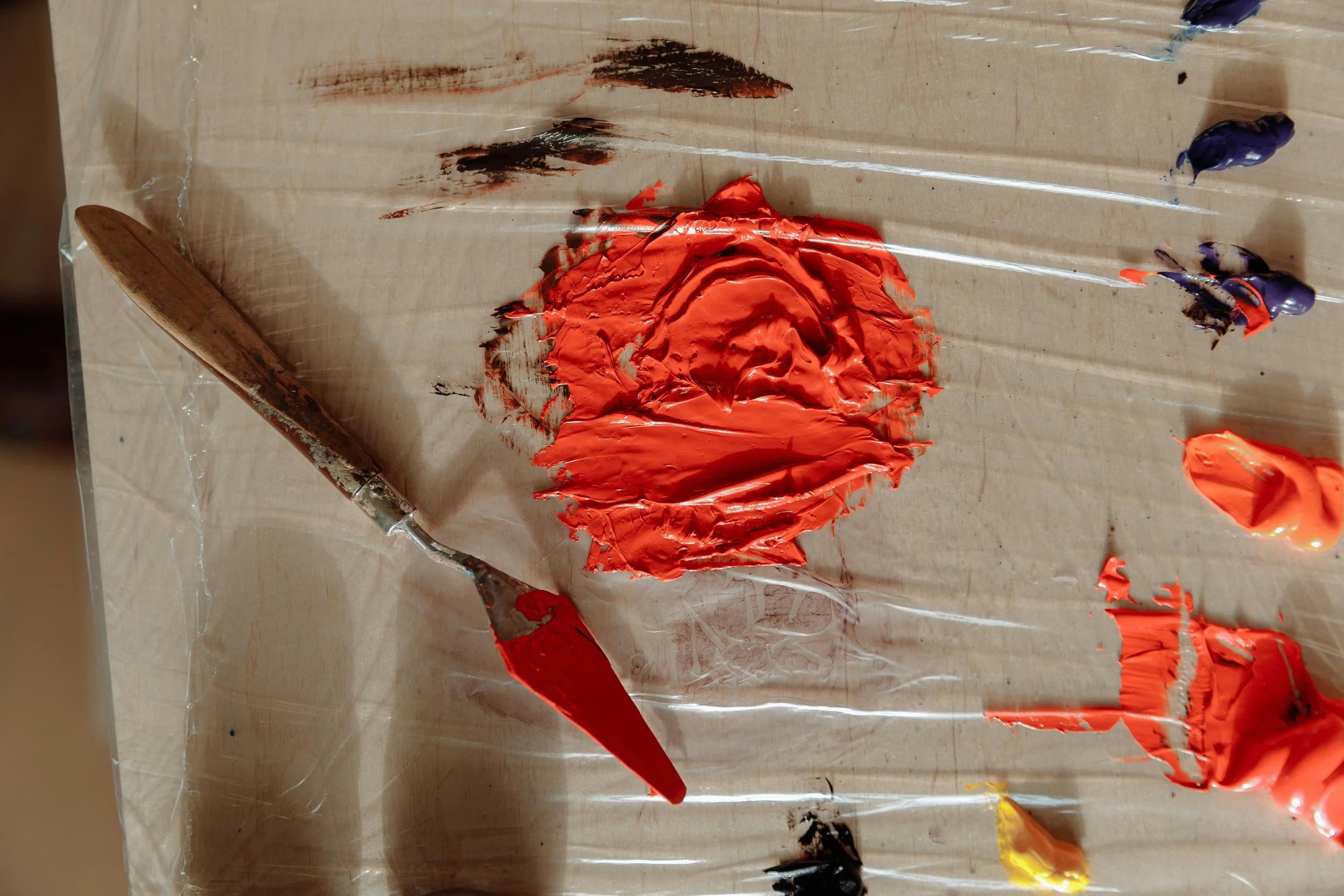
Creativity loves a good boundary.
Vary the Composition, Not the Core
Keep a strong throughline, but don’t be afraid to switch up layouts and scale.
How to do it:
Use similar elements (shapes, marks, forms) in different arrangements
Try flipping orientation (portrait vs landscape)
Play with scale but stay true to your theme and colour story
Try working on the pieces in rotation rather than finishing one before starting the next
Think of your series like a music album - each song is different, but the vibe is consistent.
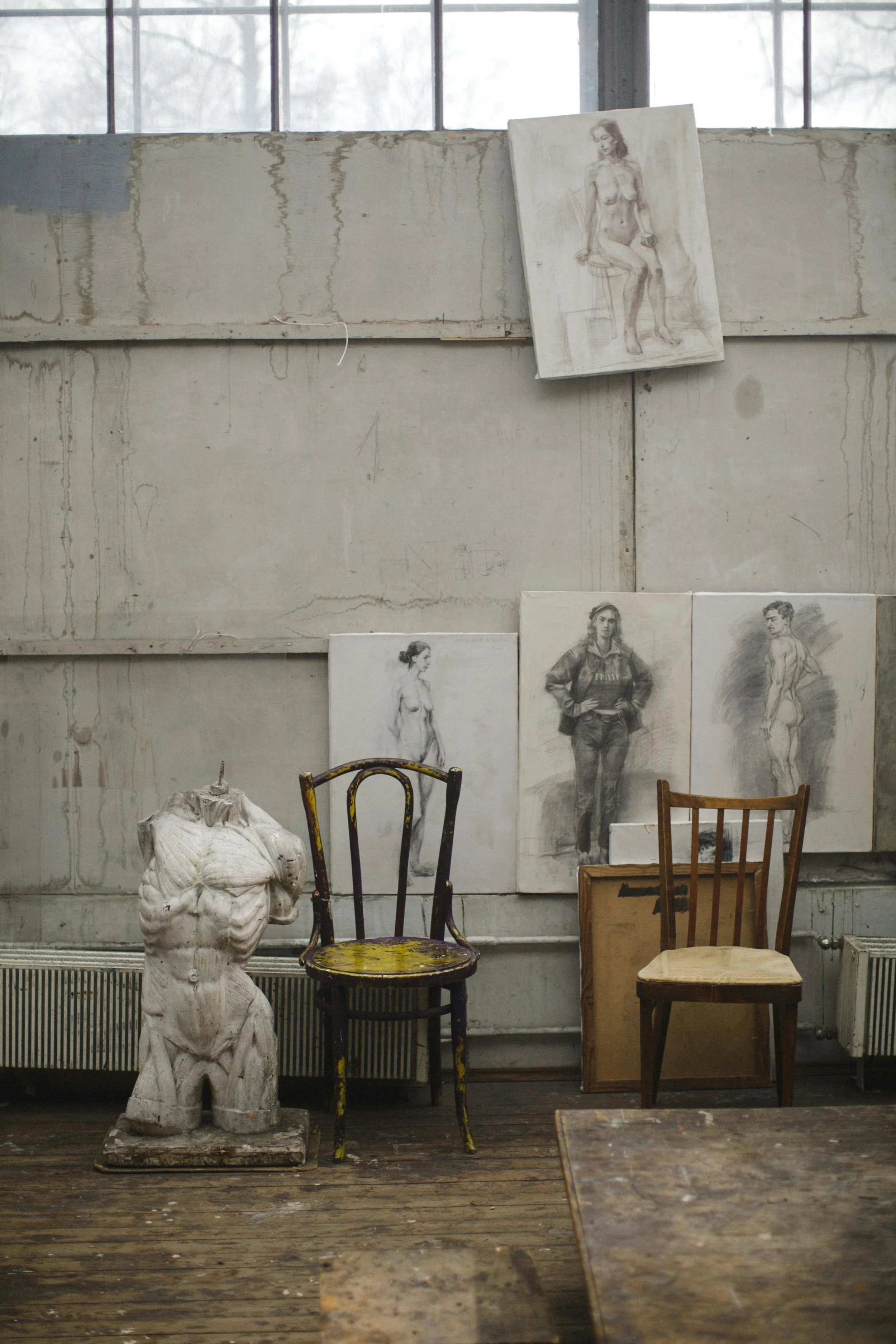
Same ingredients, new recipe – because even series need a little spice!
Start with a Mini-Series
If the idea of making 10 pieces sounds like running a creative marathon, start small.
How to do it:
Aim for 3 - 5 pieces first
Use them as your ‘pilot episodes’ to test your concept
Reflect on what’s working - then decide if you want to expand
Taking baby steps builds momentum. You don’t have to fill a gallery right away.
Title the Series (and the Pieces)
A series title adds a poetic ribbon around your work and helps viewers connect the dots.
How to do it:
Pick a title that hints at the concept without spelling it out
Give each piece a name that supports the larger theme
Write a 2 - 3 sentence artist statement to accompany the series
This step also makes you sound very artsy and collected, even if your studio is chaos.

An artist statement helps the viewer connect with your artwork.
Review for Unity and Flow
Before you say ‘done!’, step back and view all the pieces together.
How to do it:
Lay them out in a grid (on a wall or digitally)
Ask yourself: Do they feel like they’re part of the same story?
Is one shouting while the others whisper? Adjust as needed
Unity doesn’t mean sameness - it means harmony. Like siblings, not clones.
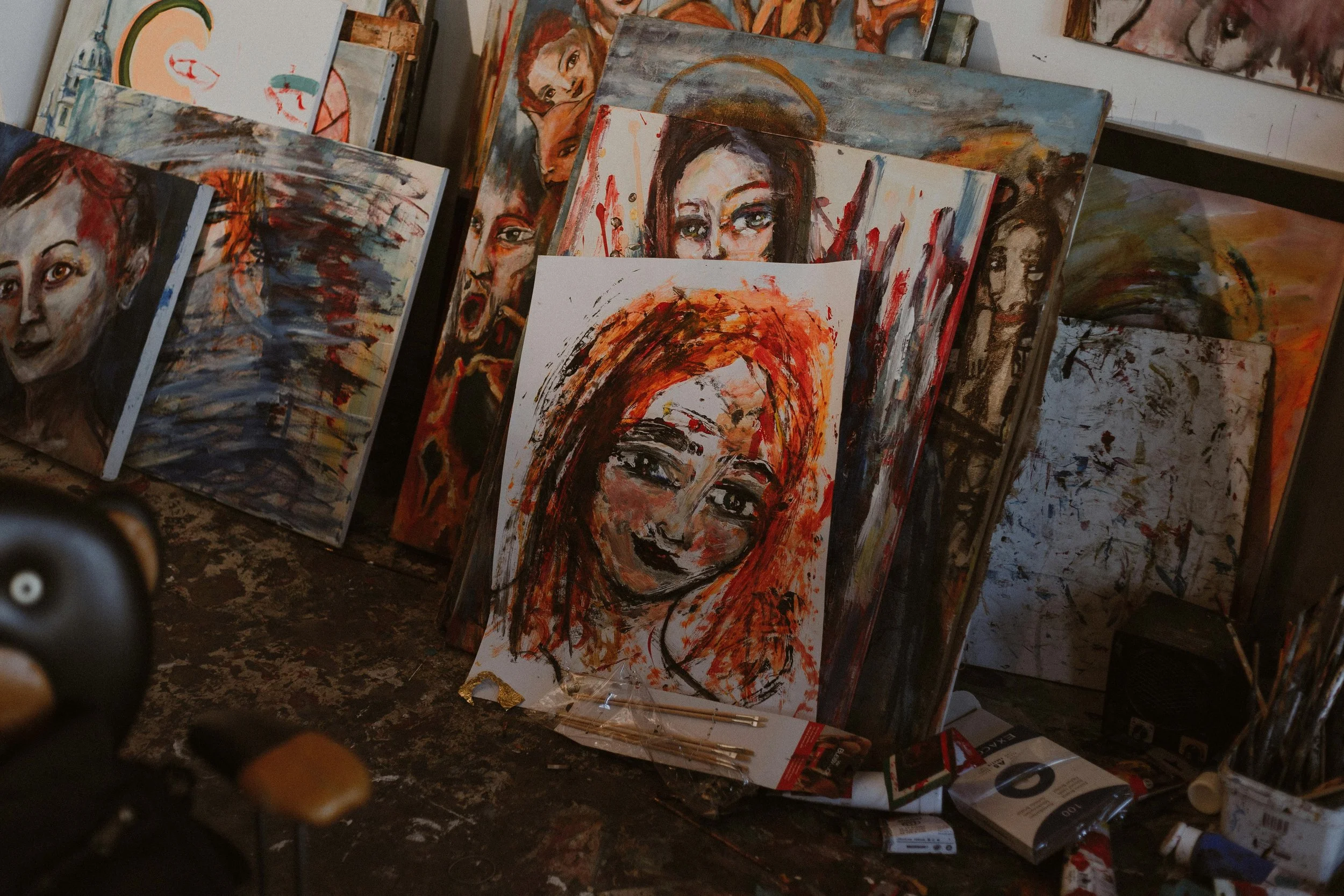
Together they grow – like a garden with lots of personality and no weeding required!
Why Bother with a Series?
Glad you asked! Here’s what creating a series can do for your art practice:
Helps develop your unique voice
Builds stronger bodies of work for exhibitions or selling
Makes it easier to talk about and share your art
Encourages deeper exploration of ideas
Gives you a sense of artistic momentum
Bonus? Series tend to sell better too. Collectors love the story and cohesion.
Final Thoughts
Creating a series is like planting a garden. Each painting is a flower - beautiful on its own, but even more powerful when they grow from the same roots. Give your work a shared language, let it evolve, and trust that the connections you’re building will shine through.
And if one piece decides to go rogue? That’s okay too. Every series has its black sheep. 😉